Lalibela Expeditions
Hamar bull-jumping ceremony and Omo Valley Tribes cultural travel in southern Ethiopia

Southern Ethiopia · Living cultures

Omo Valley Tribes

Dorze highlands, Arba Minch’s lakes, Konso terraces, and Lower Omo communities — paced for respectful private travel.

Southern Ethiopia

Living cultures of the Omo

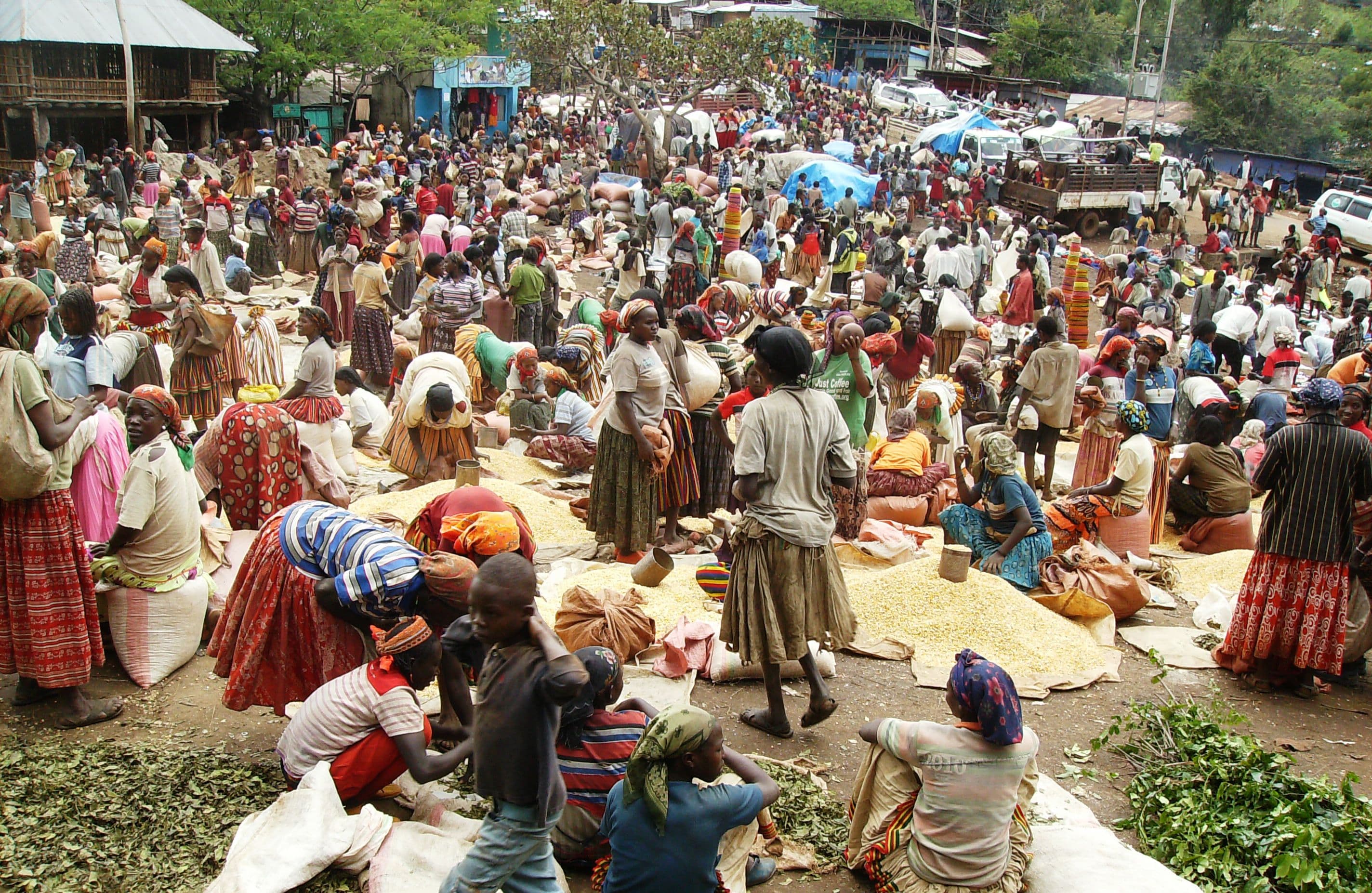
The Omo Valley, in southwestern Ethiopia, is home to some of Africa’s most diverse living cultures — and to Rift landscapes that frame every journey. From bamboo highland homes above Arba Minch to riverbank villages near the Omo Delta, travel here is about time, hospitality, and learning customs with local guides rather than rushing a checklist.

Most itineraries open in the Gamo highlands and Arba Minch — Dorze weaving villages, Lake Chamo boat trips, and the forested Forty Springs at the edge of Nechisar — then continue through Konso’s terraced country toward Turmi, Jinka, and the Lower Omo.

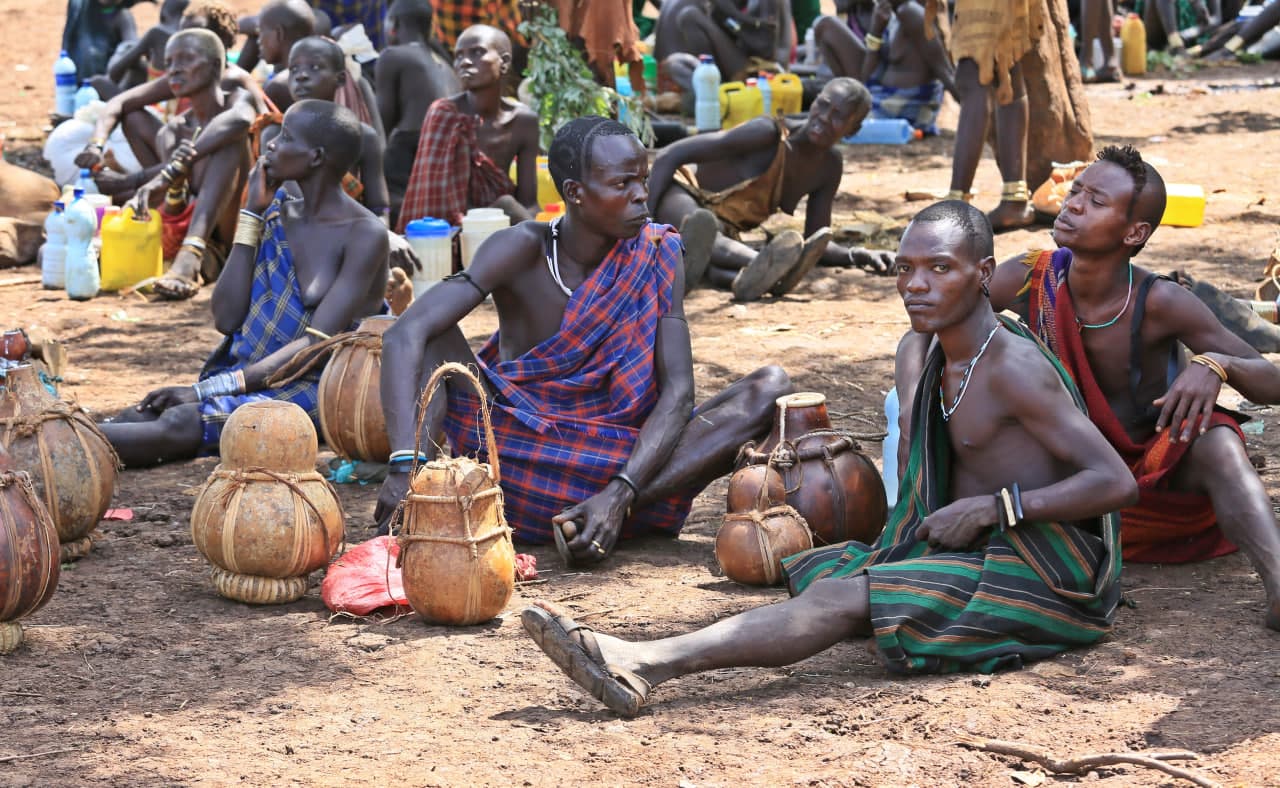
Further south, Hamar, Mursi, Karo, Dasenech, Nyangatom, and Surma communities share markets, ceremonies, and river landscapes. We pace visits with local guides, clear photography expectations, and room for rest on long southern roads.

Communities & places

Highlands, lakes & Lower Omo

Each stop is a chapter of the south — paced for private, respectful travel.

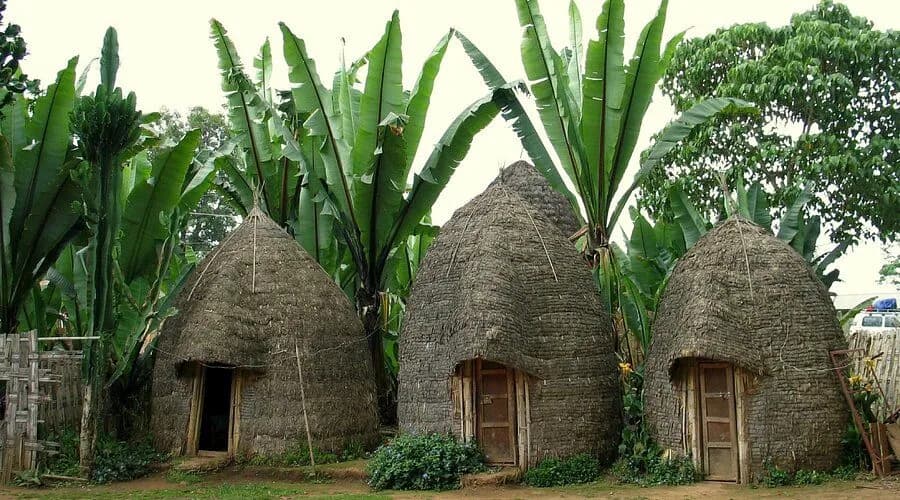
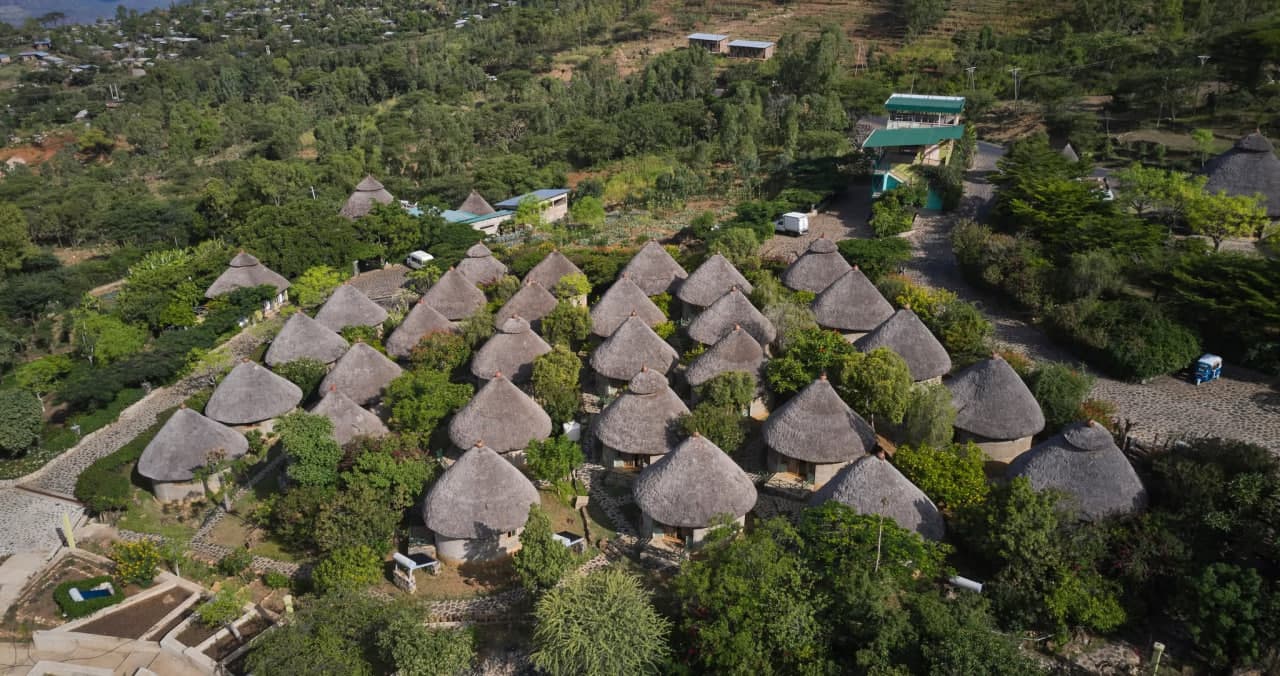
Dorze bamboo houses and village life in the Gamo Highlands, Ethiopia

01

Dorze

Renowned for their uniquely woven bamboo houses and exceptional weaving skills, the Dorze people are celebrated for their craftsmanship and vibrant cultural expressions.

Living in the highlands above Arba Minch, they cultivate enset (false banana) as a staple and practice traditional weaving and agriculture — a highland opening that softens the road into the south.

Gamo Highlands

Nile crocodiles at the Crocodile Market on Lake Chamo near Arba Minch, Ethiopia

02

Arba Minch — Land of Forty Springs

Arba Minch, meaning “forty springs,” is a lush scenic base in southern Ethiopia, nestled between the Rift Valley lakes and the forested highlands of the Gamo region. The city offers sweeping views of dense forests, banana plantations, and vibrant local culture.

Nearby Lake Chamo invites boat trips to the famous “Crocodile Market,” home to giant Nile crocodiles, hippos, and abundant birdlife. At the base of Nechisar National Park, the Forty Springs form a network of crystal-clear natural springs surrounded by shaded forest trails and rich wildlife — a refreshing blend of nature, adventure, and rest before the Lower Omo.

Gamo · Nechisar

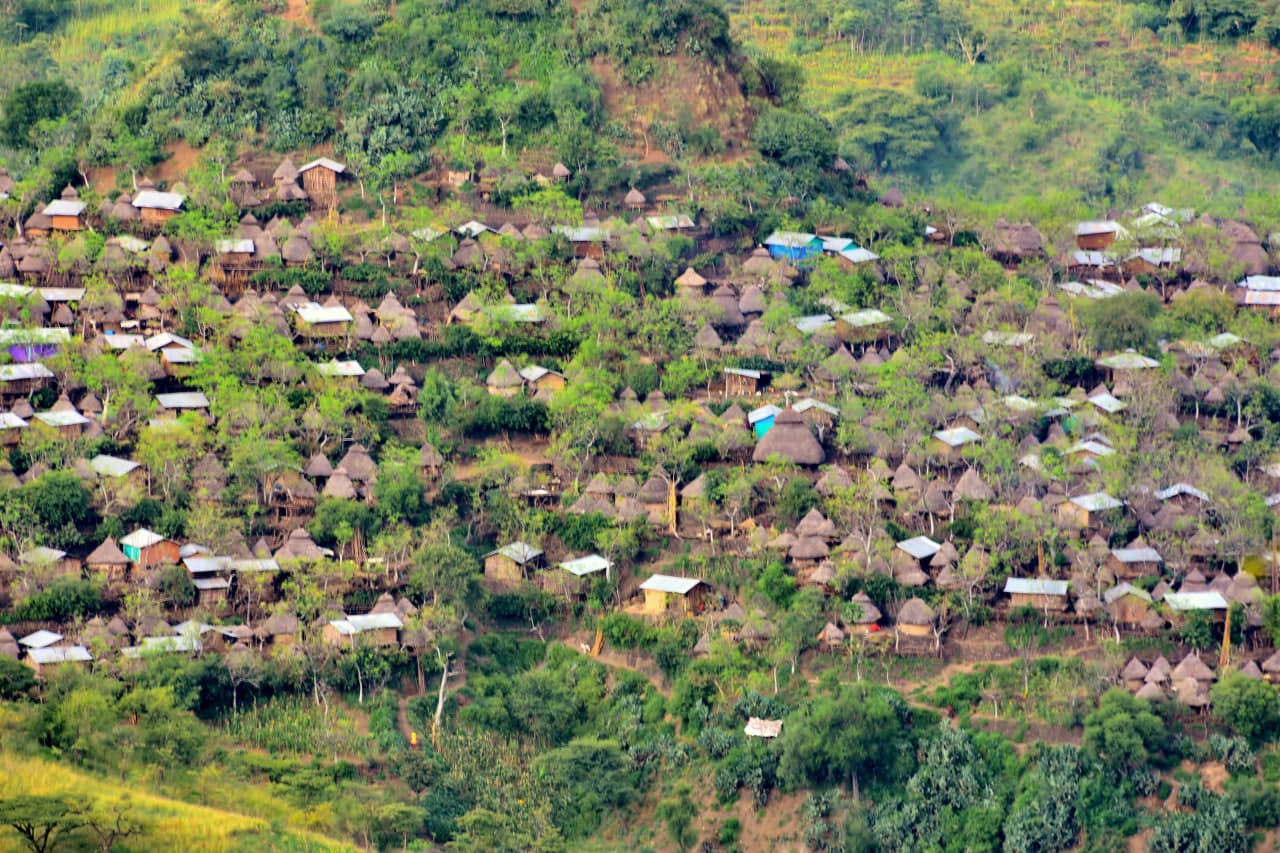
Konso people and UNESCO terraced cultural landscape in southern Ethiopia

03

Konso

Famous for their terraced landscapes, wooden waka carvings, and well-organized village systems, the Konso people showcase a rich heritage of innovation and resilience.

They practice sustainable agriculture, crafting intricate terraces and stoneworks passed down through generations — a UNESCO-recognized cultural landscape often linked on longer southern loops toward Yabello or the Lower Omo.

Southern Ethiopia

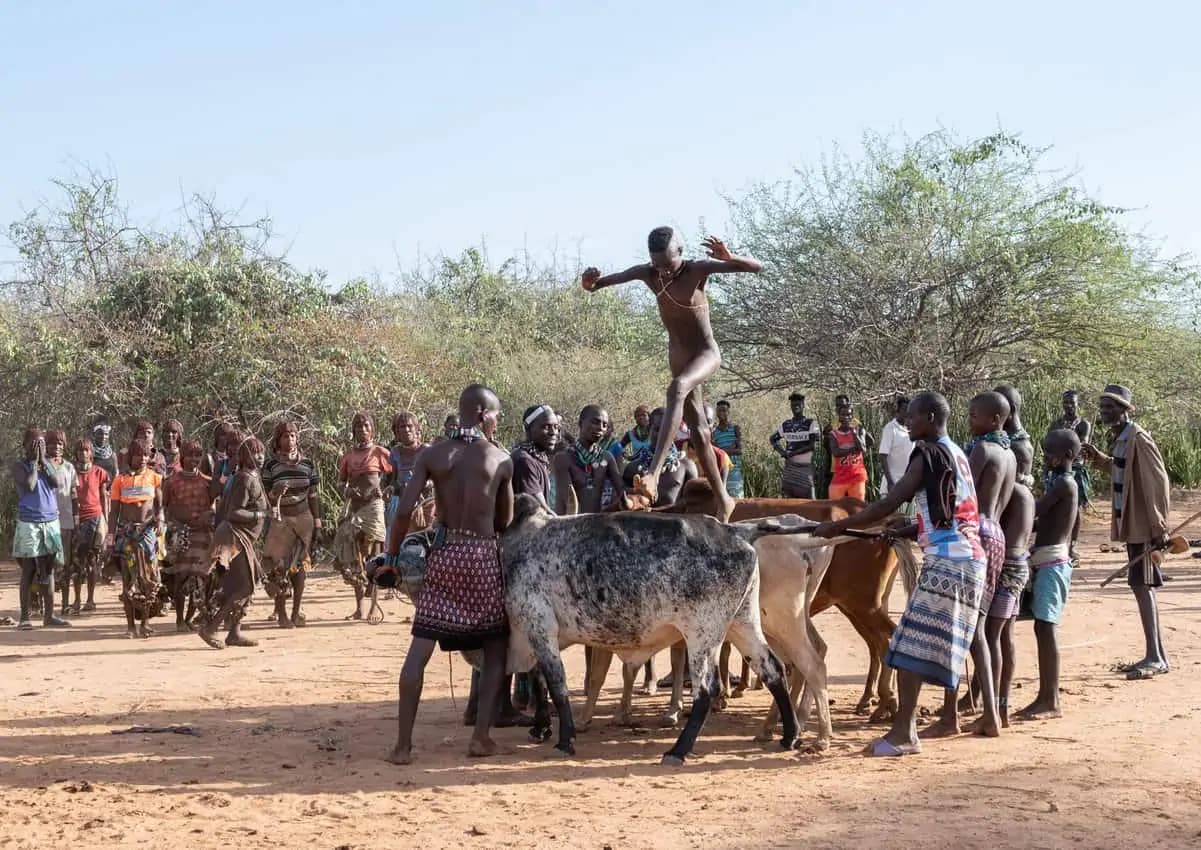
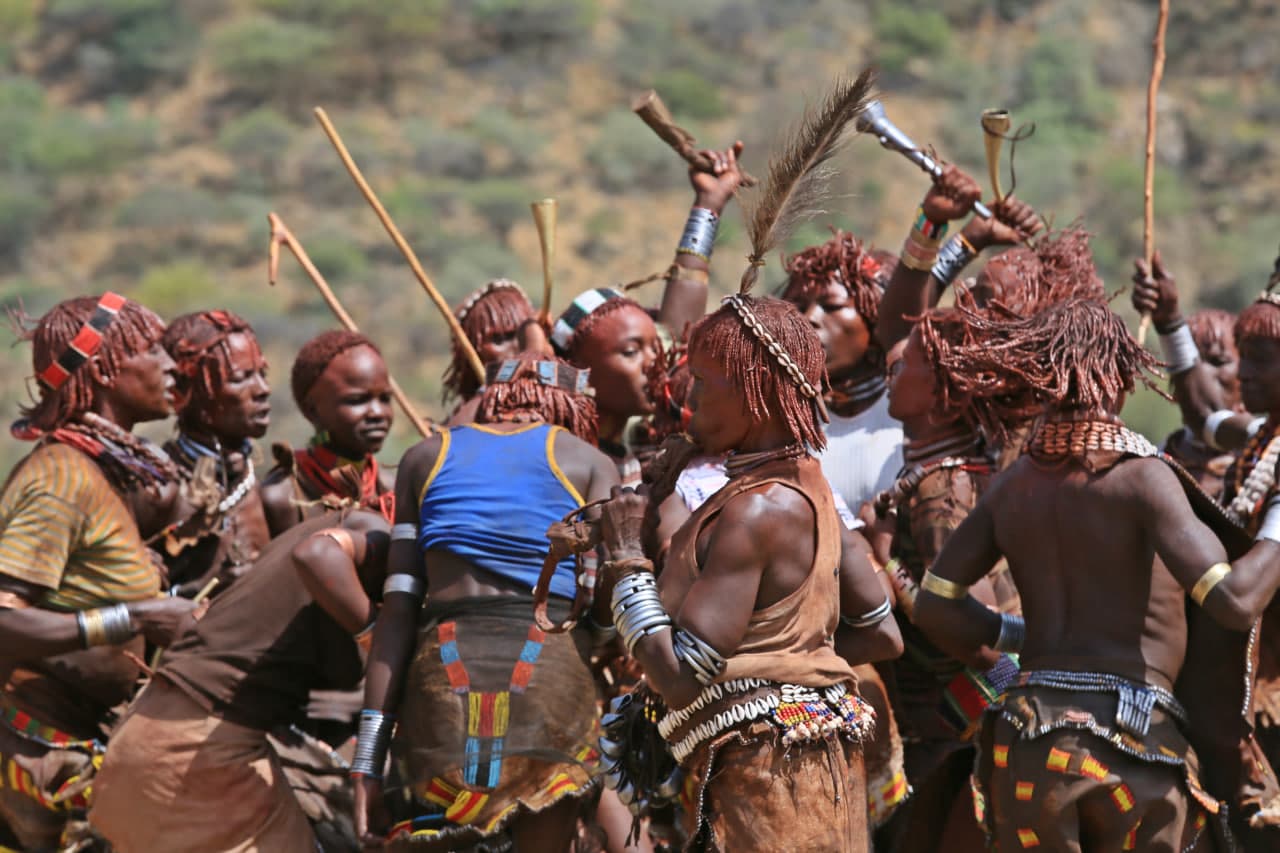
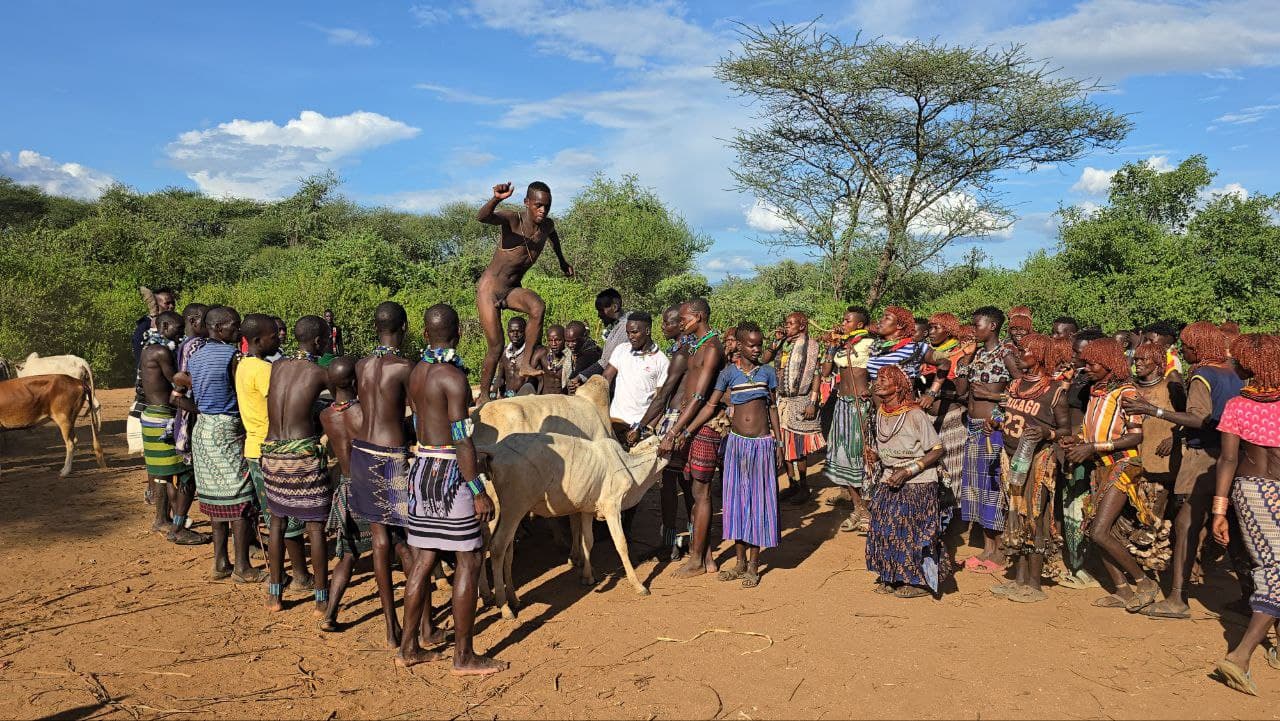
Hamar bull-jumping ceremony with cattle and community in the Lower Omo Valley, Ethiopia

04

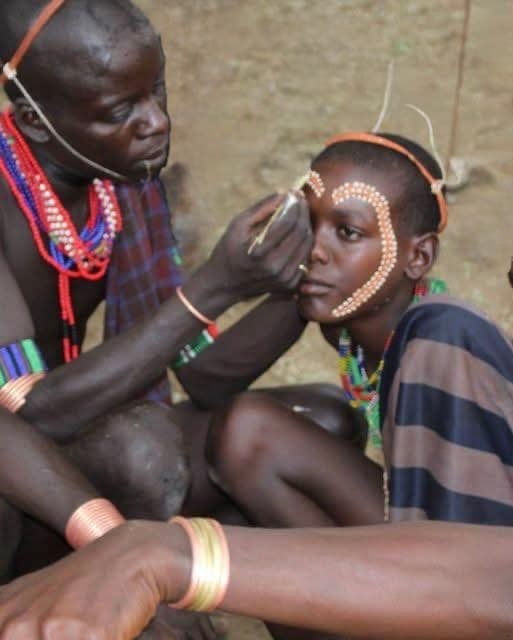
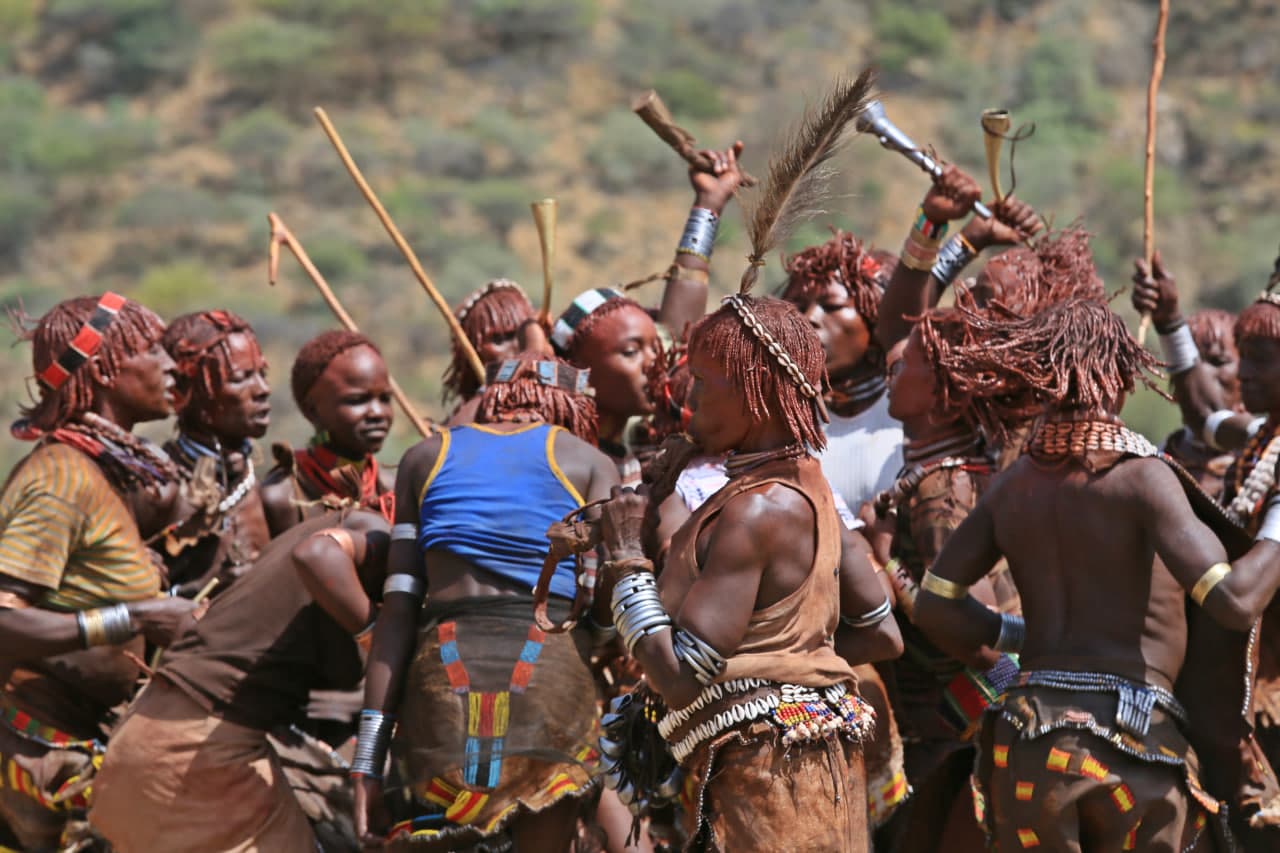
Hamar

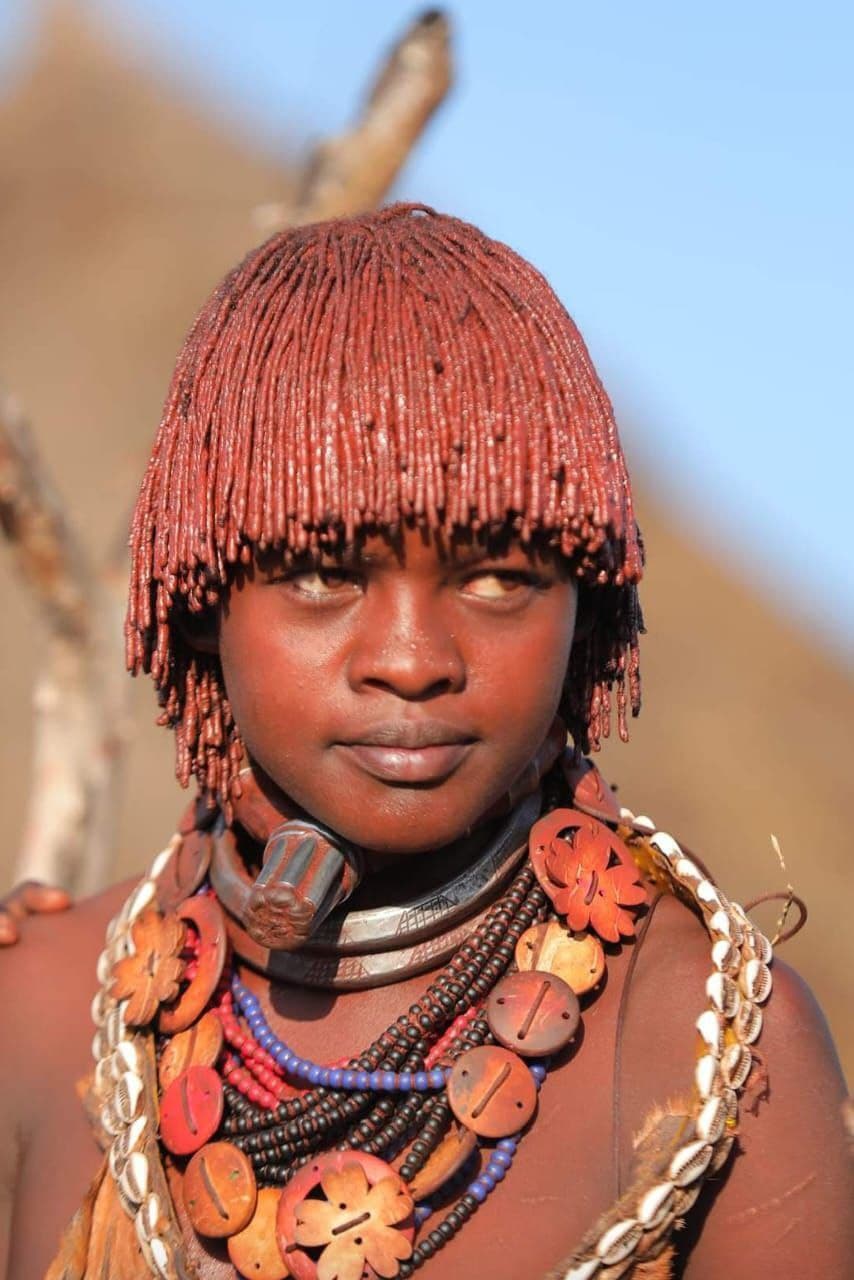
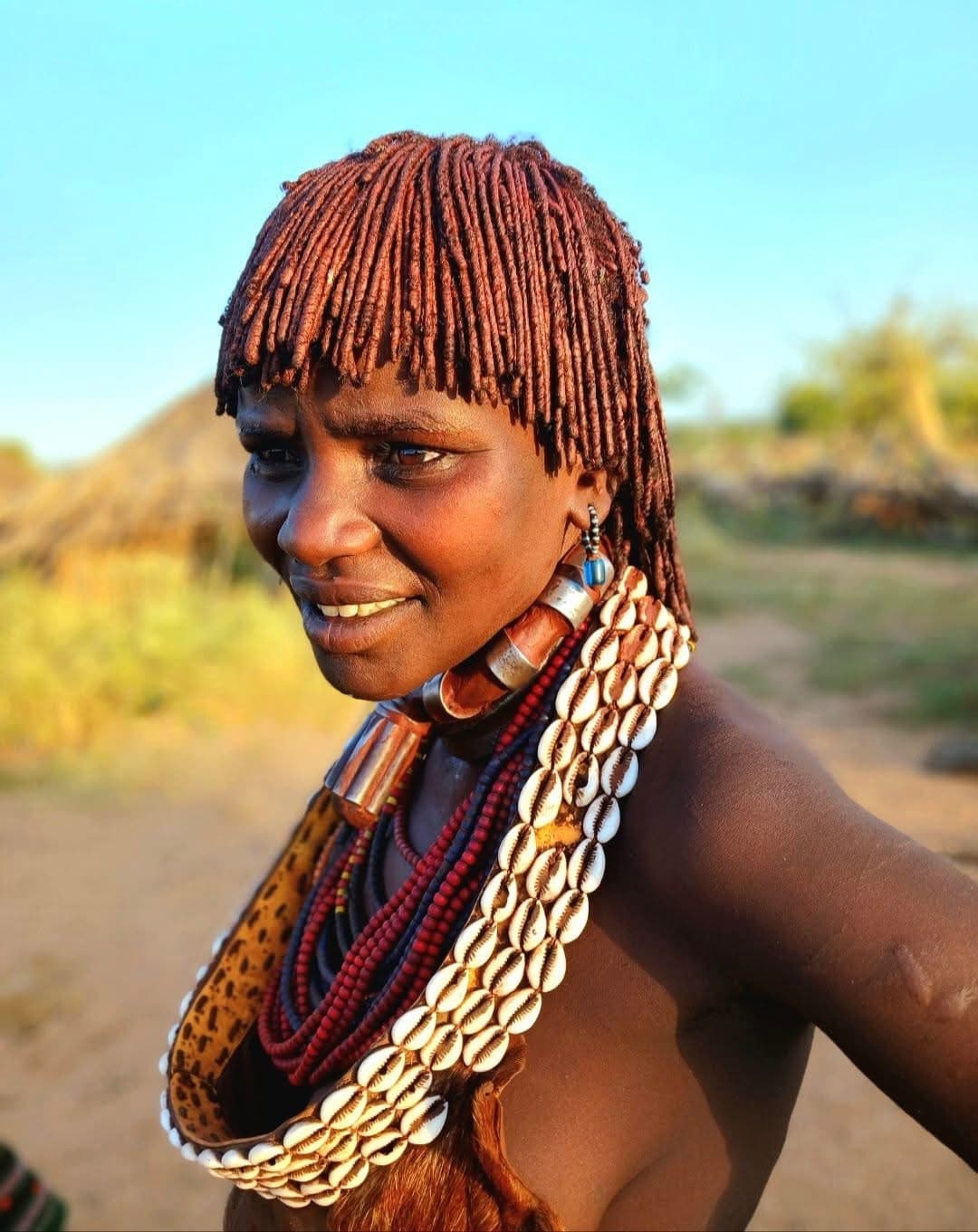
Known for their distinctive hairstyles and body adornments, the Hamar people practice traditional ceremonies — including the famous bull-jumping ritual when timing aligns — and evenings of Evangadi dancing around Turmi.

Primarily pastoralists, they raise cattle and engage in agriculture. Markets at Key Afar or Dimeka often bring Hamar, Banna, Ari, and neighboring communities together.

Turmi · Lower Omo

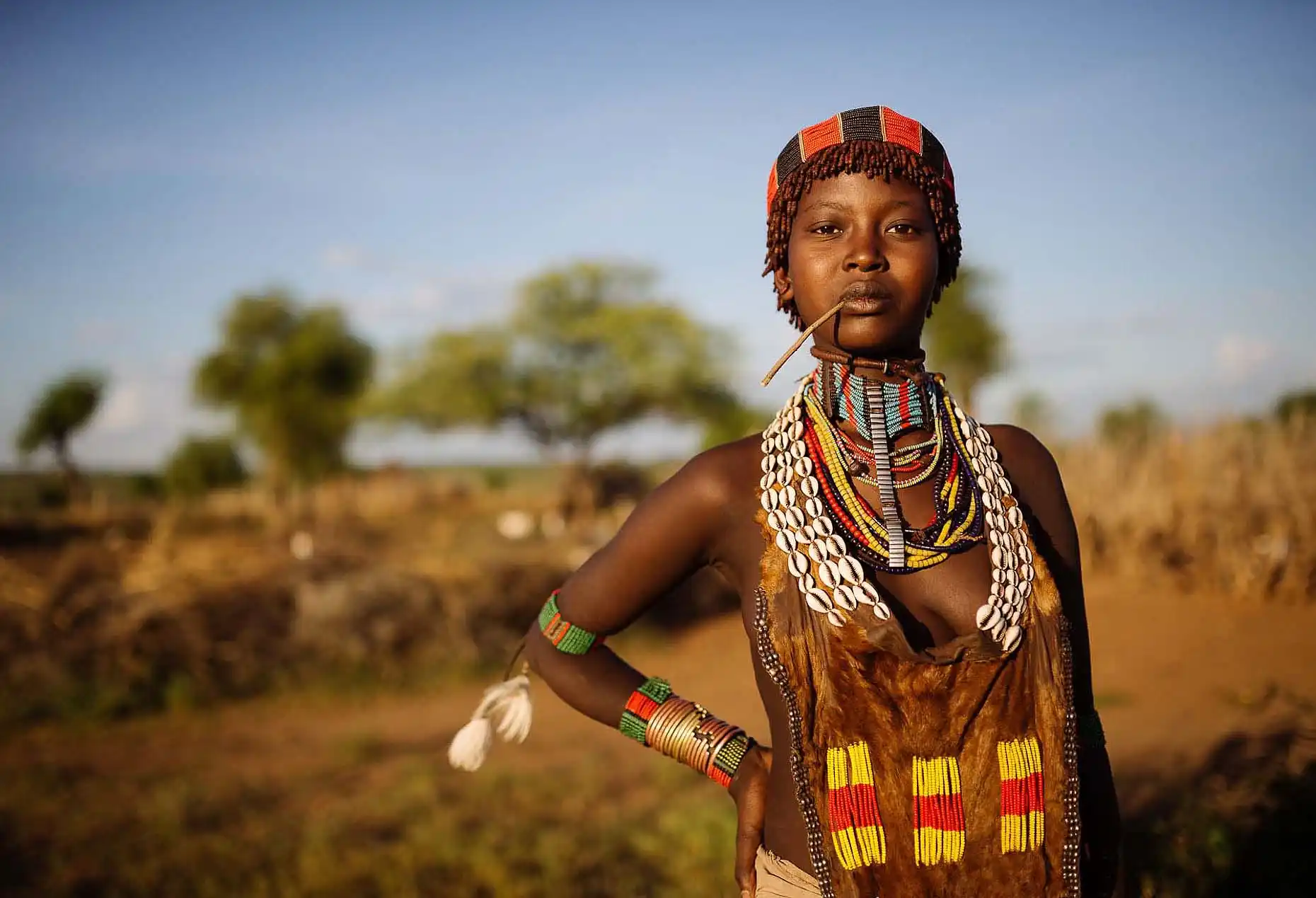
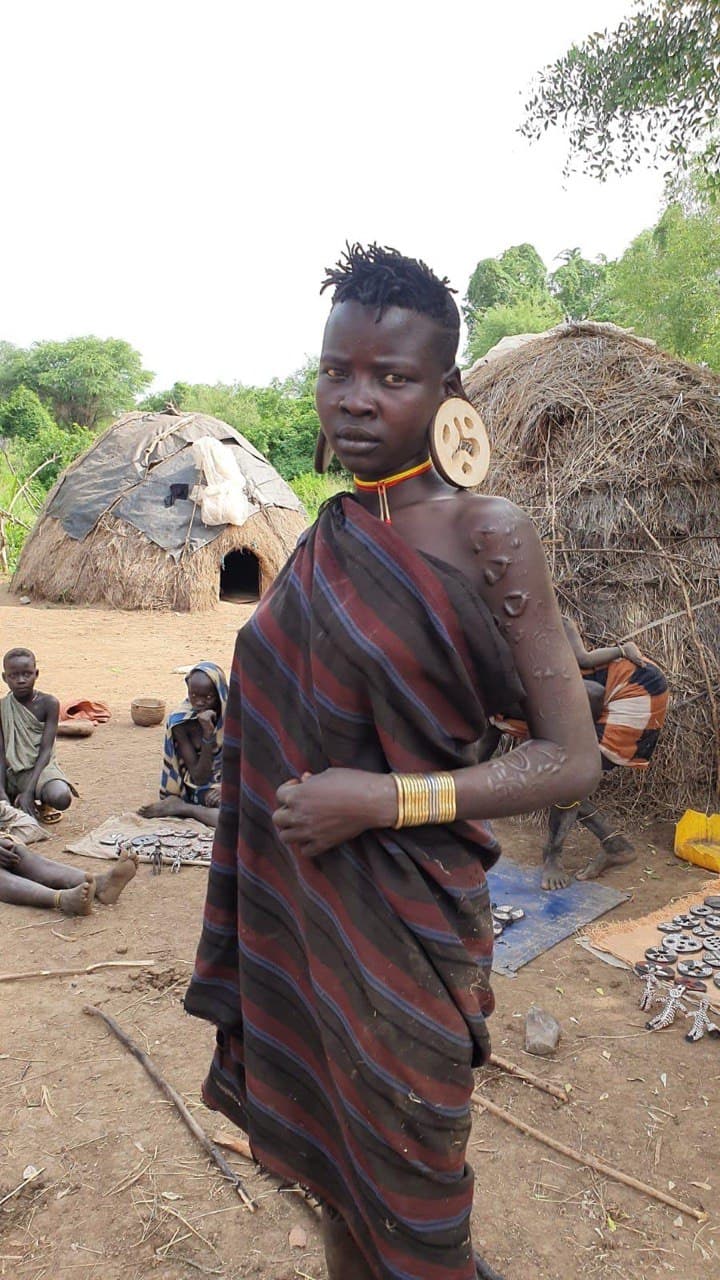
Mursi community member known for lip-plate tradition in the Lower Omo Valley, Ethiopia

05

Mursi

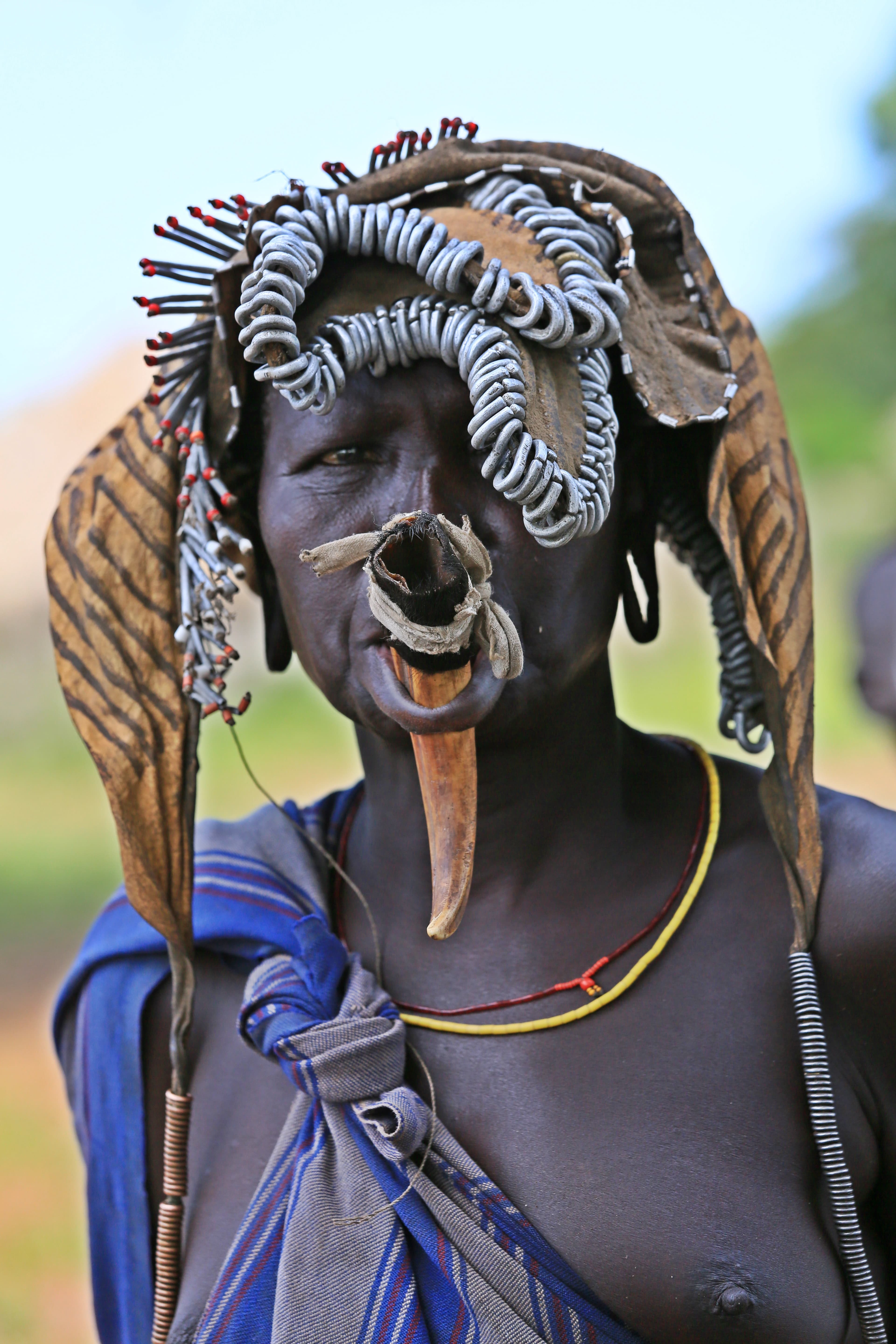
Famous for their lip plates, the Mursi people have a strong warrior tradition and engage in intricate body painting. Visits are typically paired with Ari communities and the ethnographical museum in Jinka, with access into Mago National Park.

They are semi-nomadic, relying on cattle herding and farming. We approach Mursi days with local guides, fair expectations around photography, and pacing that respects community life.

Mago · Jinka

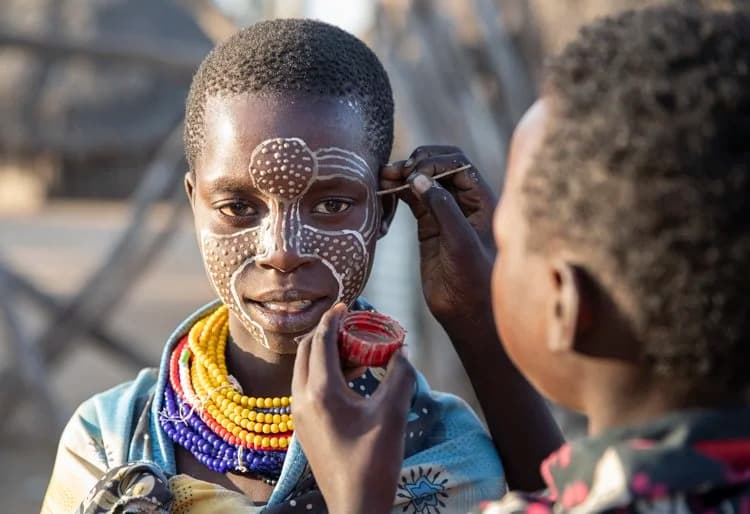
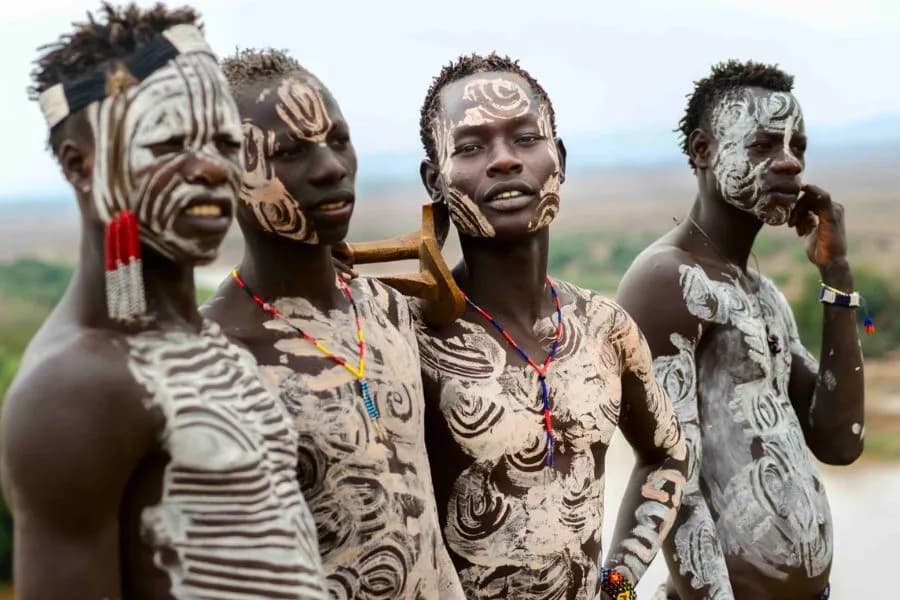
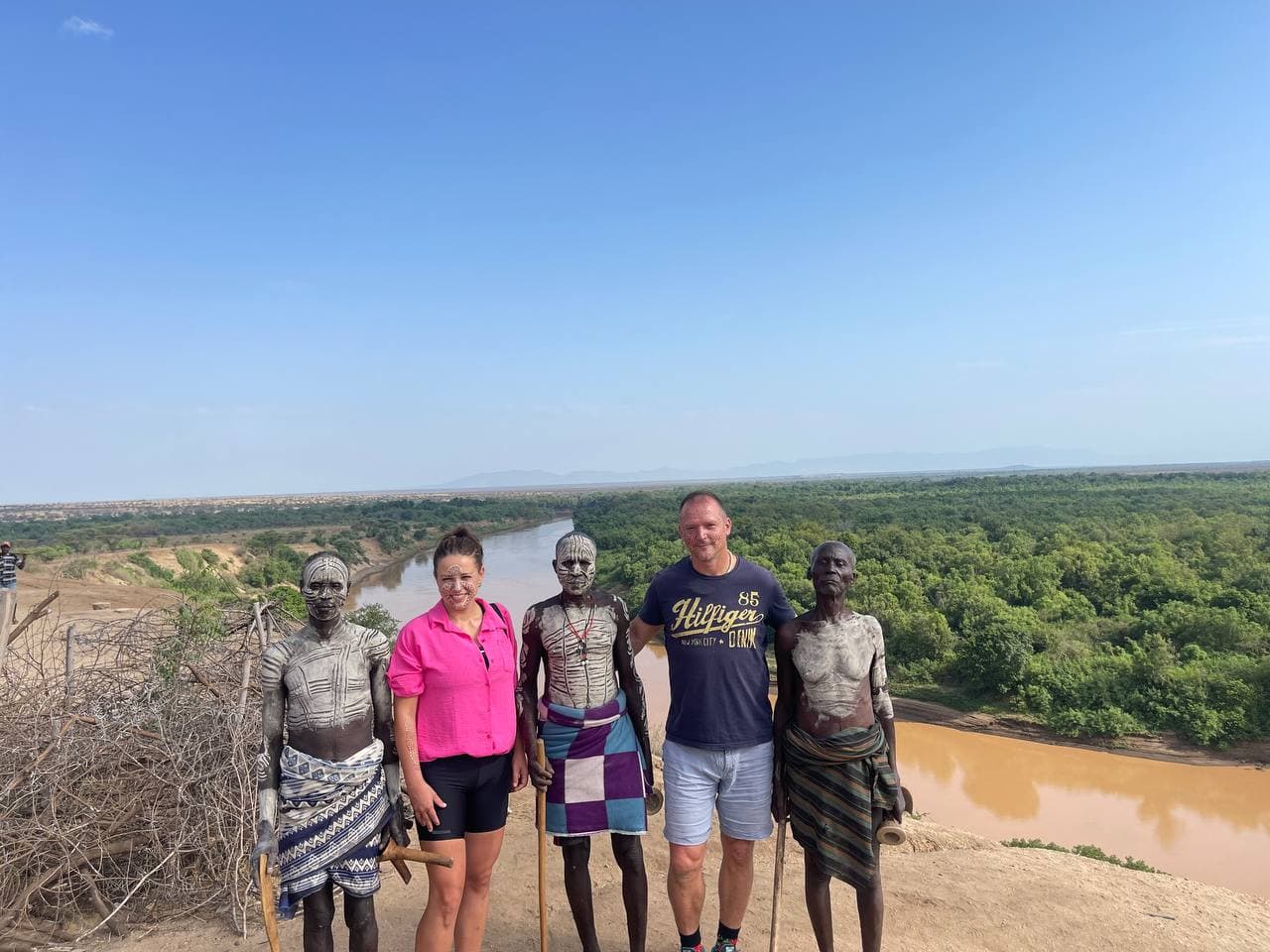
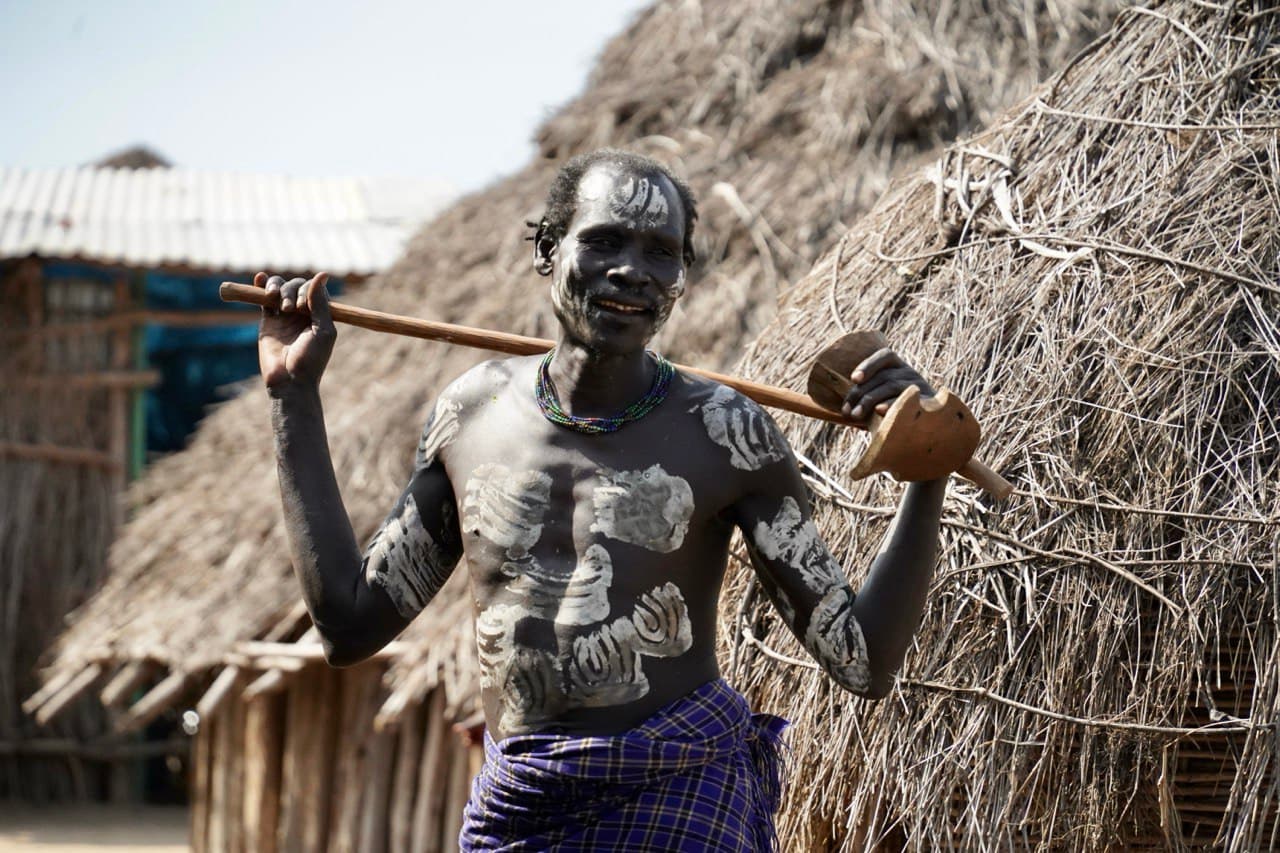
Karo tribe face and body painting tradition along the Omo River, Ethiopia

06

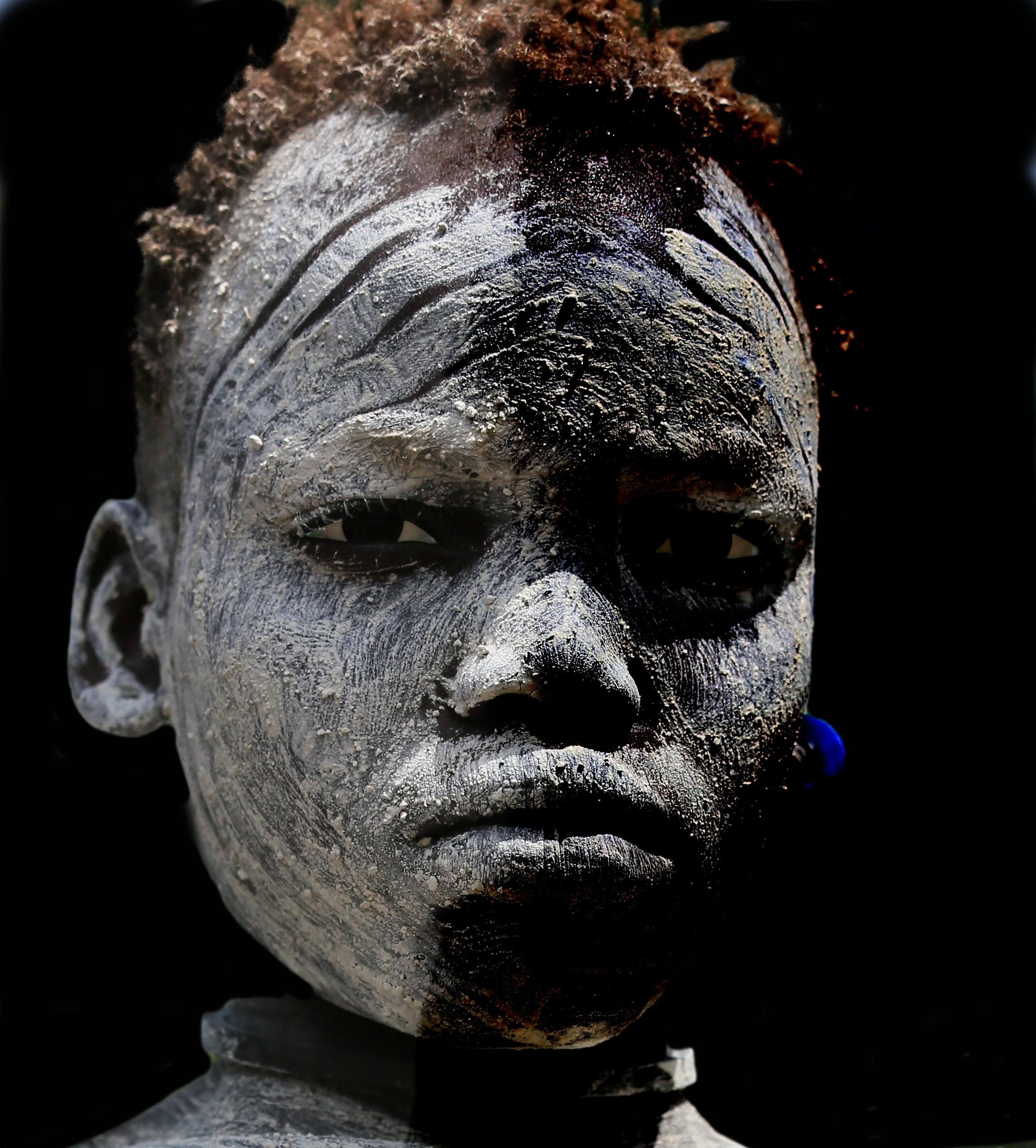
Karo

The Karo are known for their elaborate body paintings and unique scarification practices. They celebrate life through vibrant dances and rituals along the Omo River.

They practice agriculture and fishing on the riverbanks — day trips from Turmi often pair Karo country with Hamar villages when roads and timing allow.

Omo River

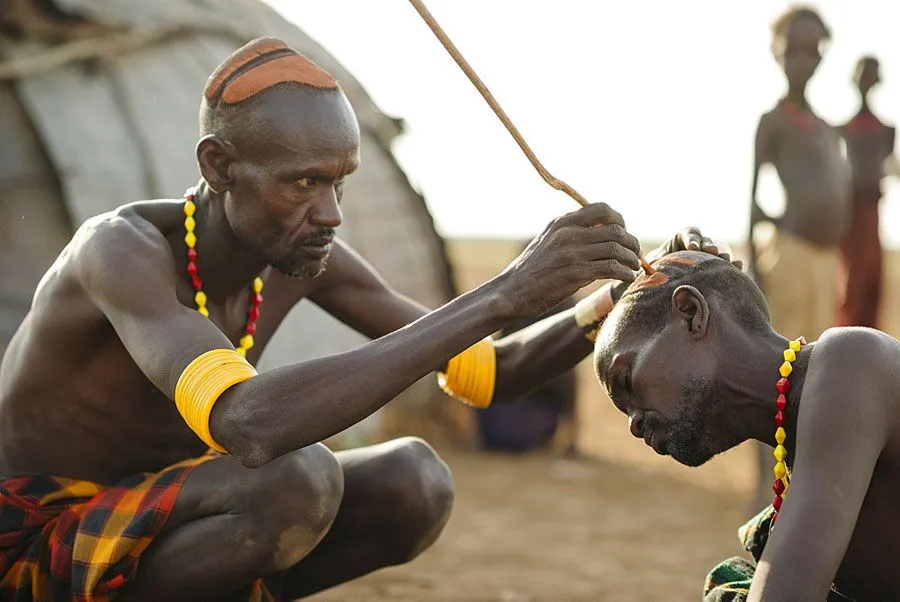
Dasenech (Dassanech) community member near the Omo Delta, Ethiopia

07

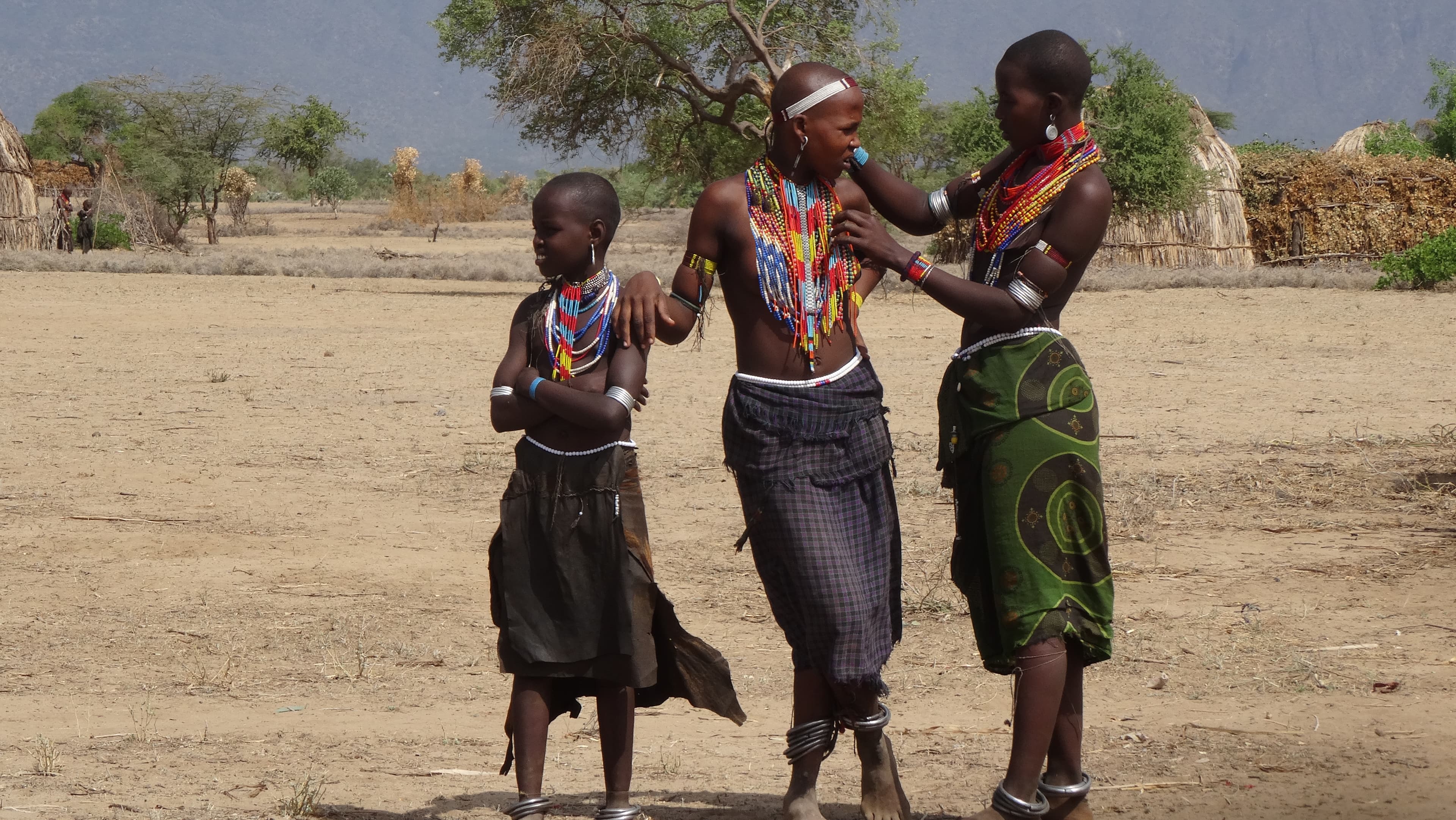
Dasenech

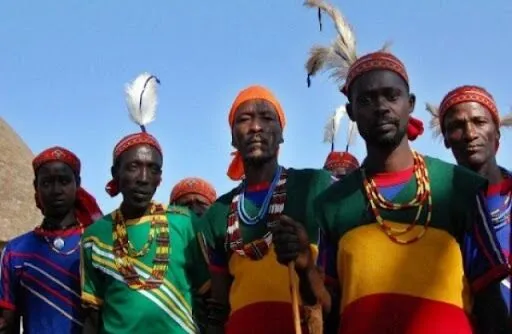
Inhabitants of the southern tip of the Omo Valley, the Dasenech people are known for their vibrant clothing and beadwork, and for a rich oral tradition.

They are predominantly pastoralists, with a strong reliance on fishing and farming near the Omo Delta — a farther reach that rewards slower itineraries.

Omo Delta

Nyangatom community life in the Lower Omo Valley, Ethiopia

08

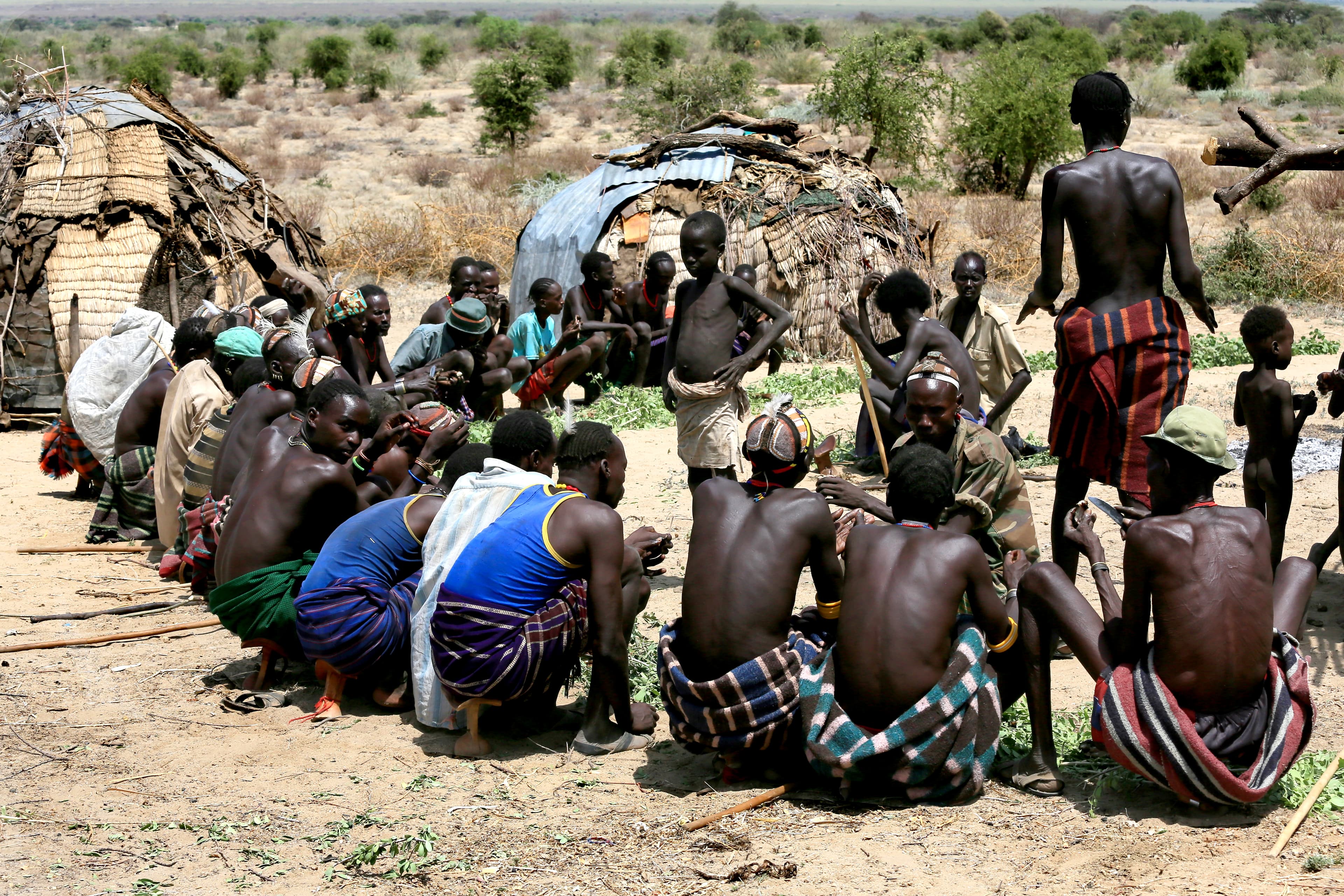
Nyangatom

The Nyangatom people have a unique cultural identity, with distinctive rituals and clothing that reflect their connection to the land and cattle.

They engage in cattle herding and trade with neighboring tribes — communities often reached on deeper Lower Omo loops when dates and access align.

Lower Omo

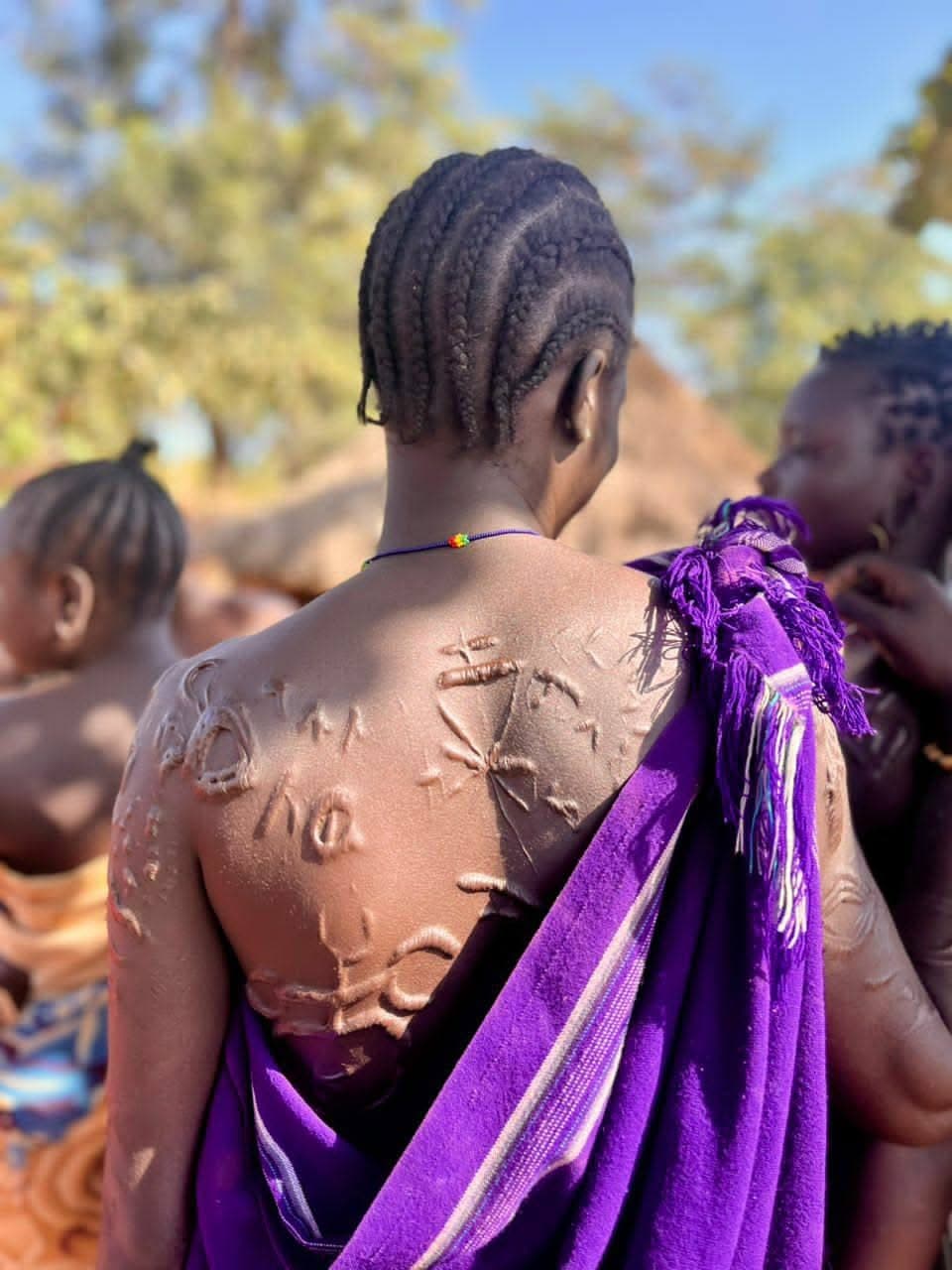
Surma (Suri) community members with traditional adornment in southwestern Ethiopia

09

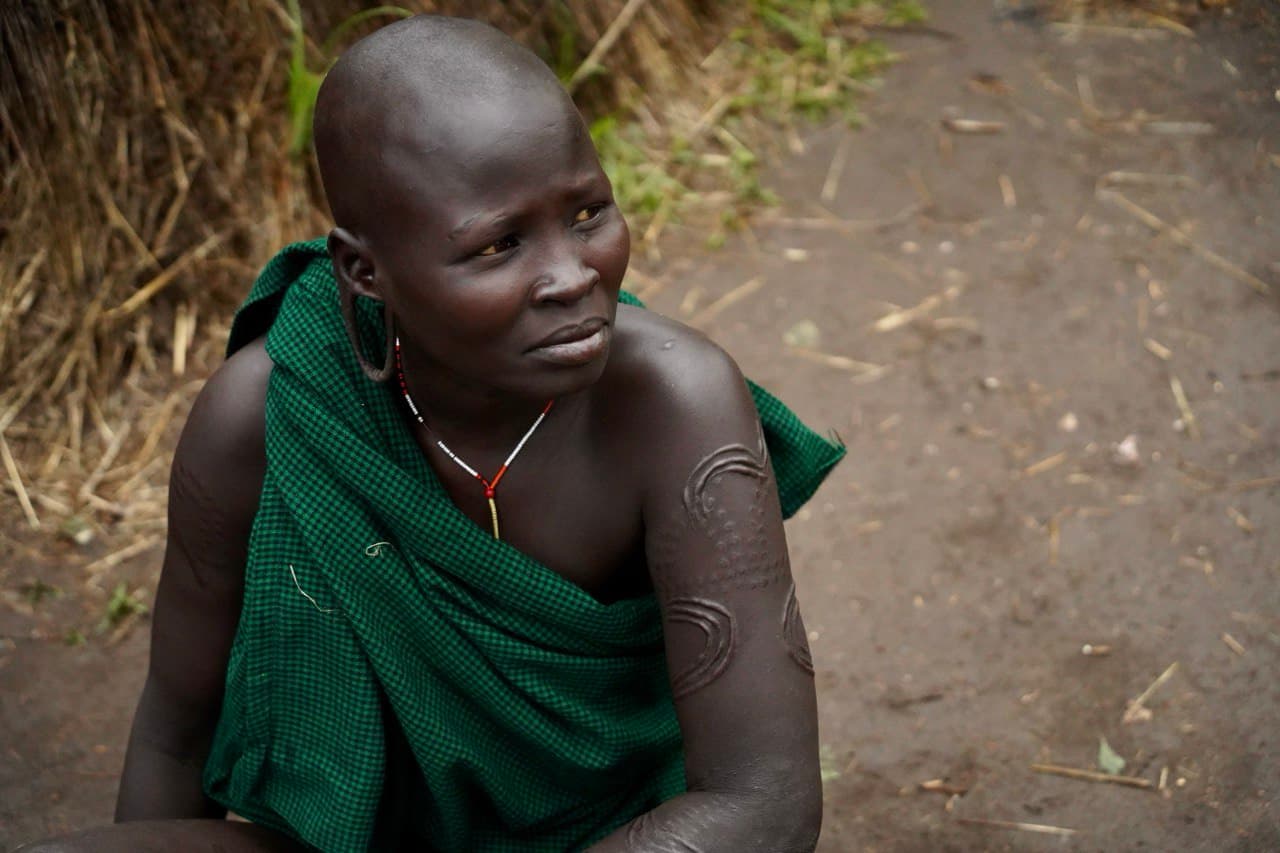
Surma

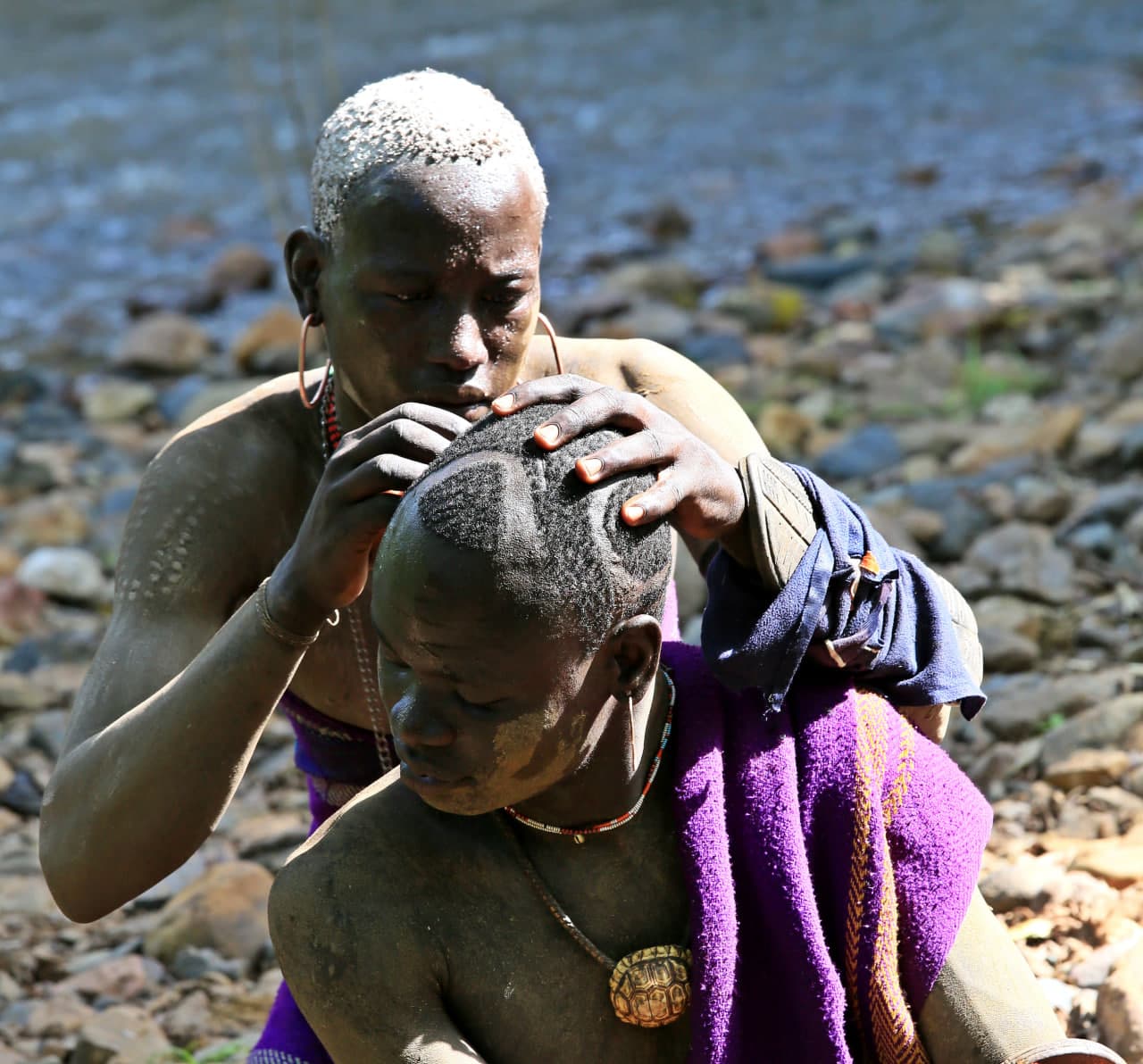
Recognized for their striking body paintings and ceremonial stick-fighting traditions, the Surma people maintain strong cultural identities rooted in bravery and artistry.

Primarily pastoralists, they herd cattle and uphold age-old customs tied closely to nature and community. Surma days need careful pacing and local coordination — ask us what is realistic for your season.

Southwest Ethiopia

Travel notes

Practical planning

  • Photography etiquette and fair tipping matter — your guide will set expectations before each visit.
  • Market days add energy; ask which weekday fits Key Afar, Dimeka, or other local markets on your dates.
  • Roads are long — build rest into cultural days, especially between Arba Minch, Konso, Turmi, and Jinka.
  • Best windows are often June–September and December–February; we adjust for rains and ceremony timing.
  • We work with local guides and avoid rushed “checkbox” village circuits — tell us if ethical cultural travel is your priority.

Plan an Omo Valley journey

Tell us which communities and landscapes matter most — Dorze and Chamo, Konso terraces, Turmi ceremonies, Mago and Mursi, or a deeper Lower Omo loop — and we shape a private itinerary.

Contact us

Planning

Omo Valley FAQs

An Omo Valley Tribes tour in southern Ethiopia focuses on living cultures, markets, and Rift landscapes. Journeys often open with Dorze and Arba Minch (Lake Chamo, Forty Springs), continue through Konso, then reach Hamar, Mursi, Karo, Dasenech, and related communities with respectful, guide-led visits.