Lalibela Expeditions
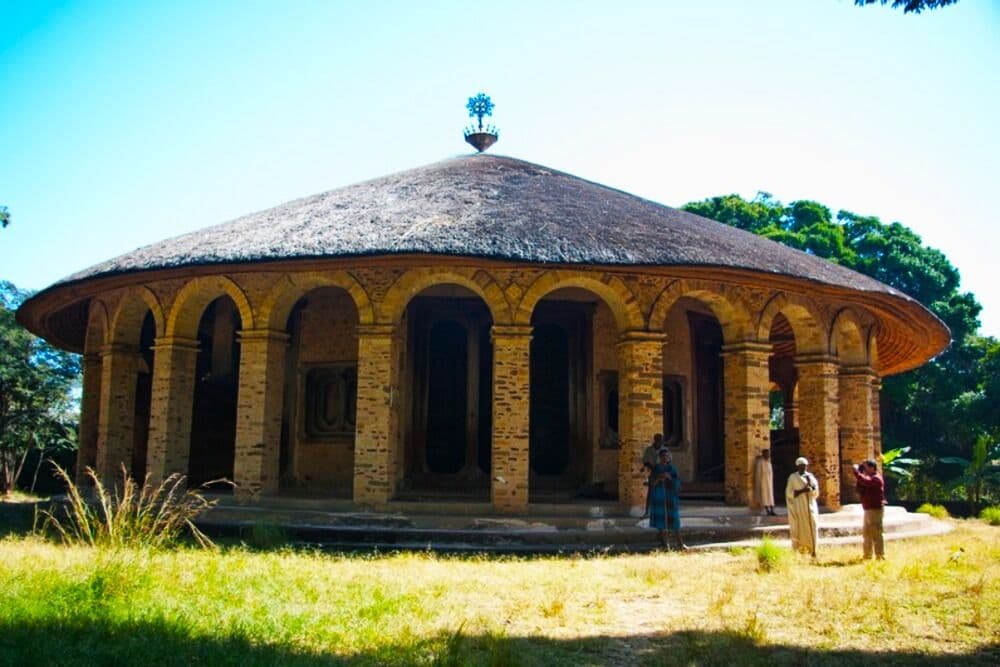
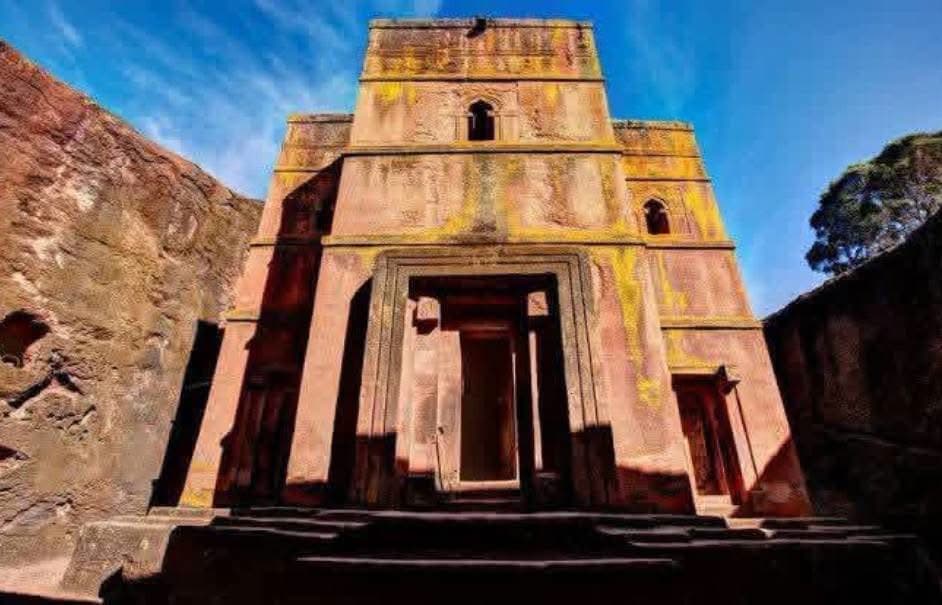
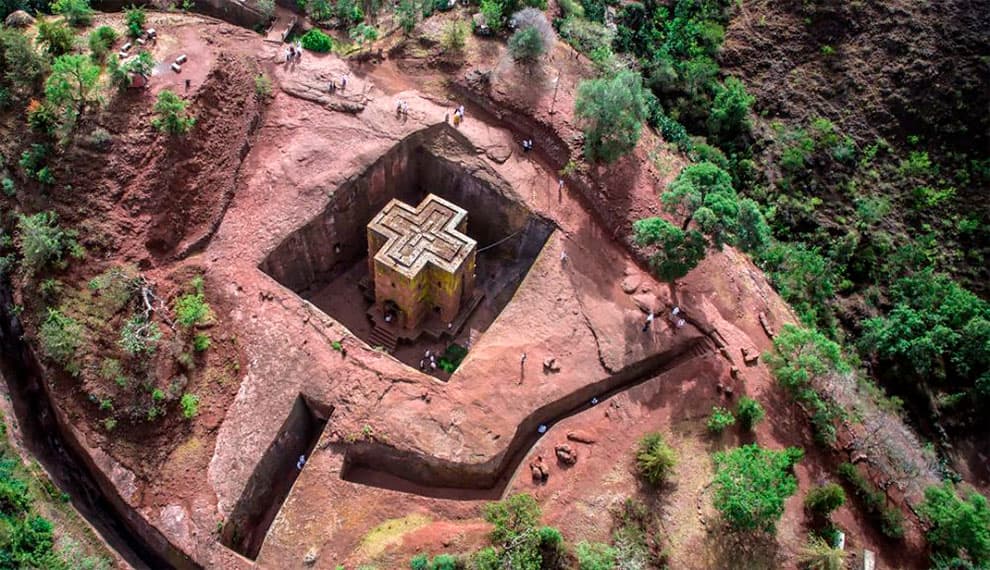
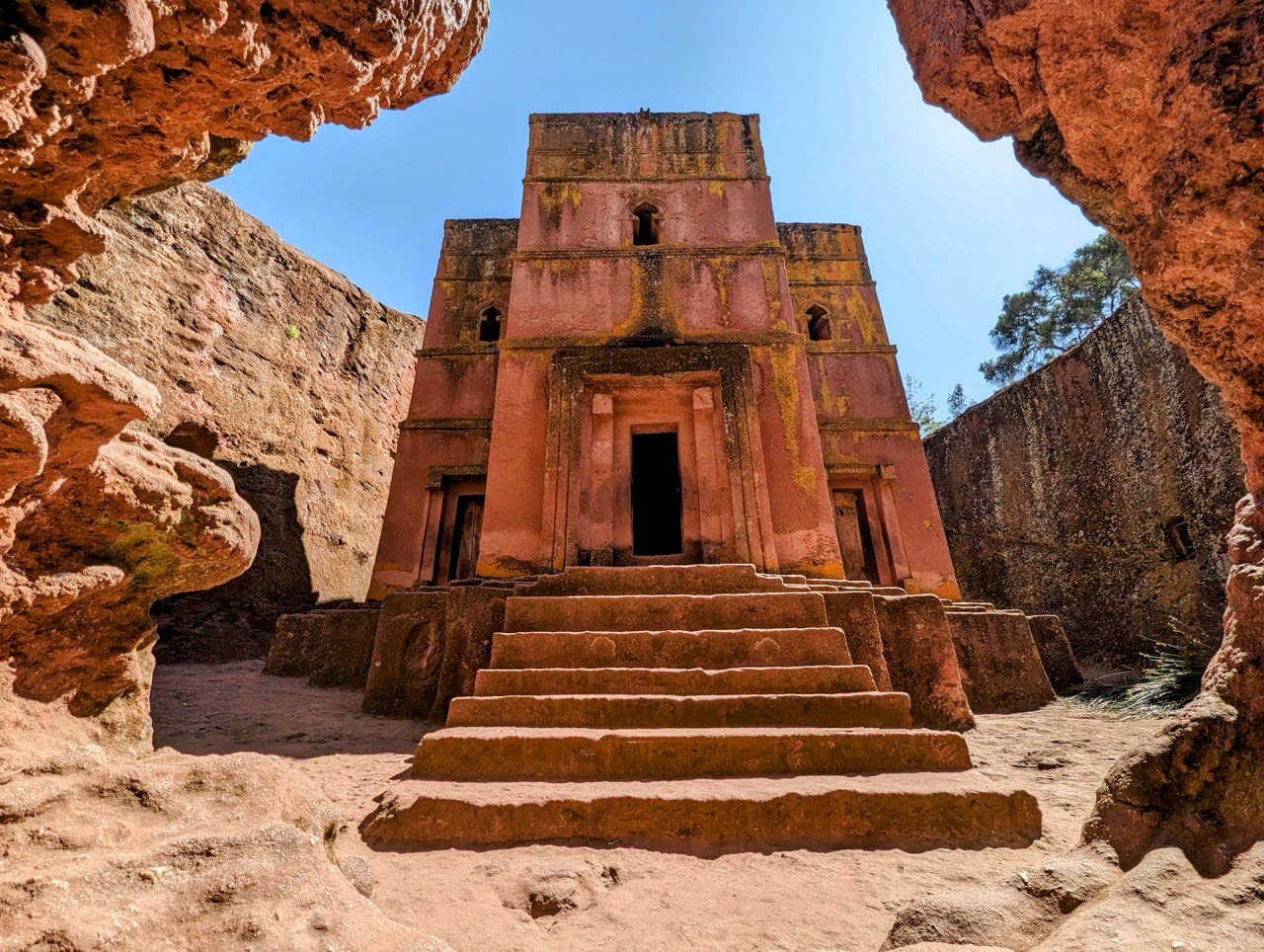
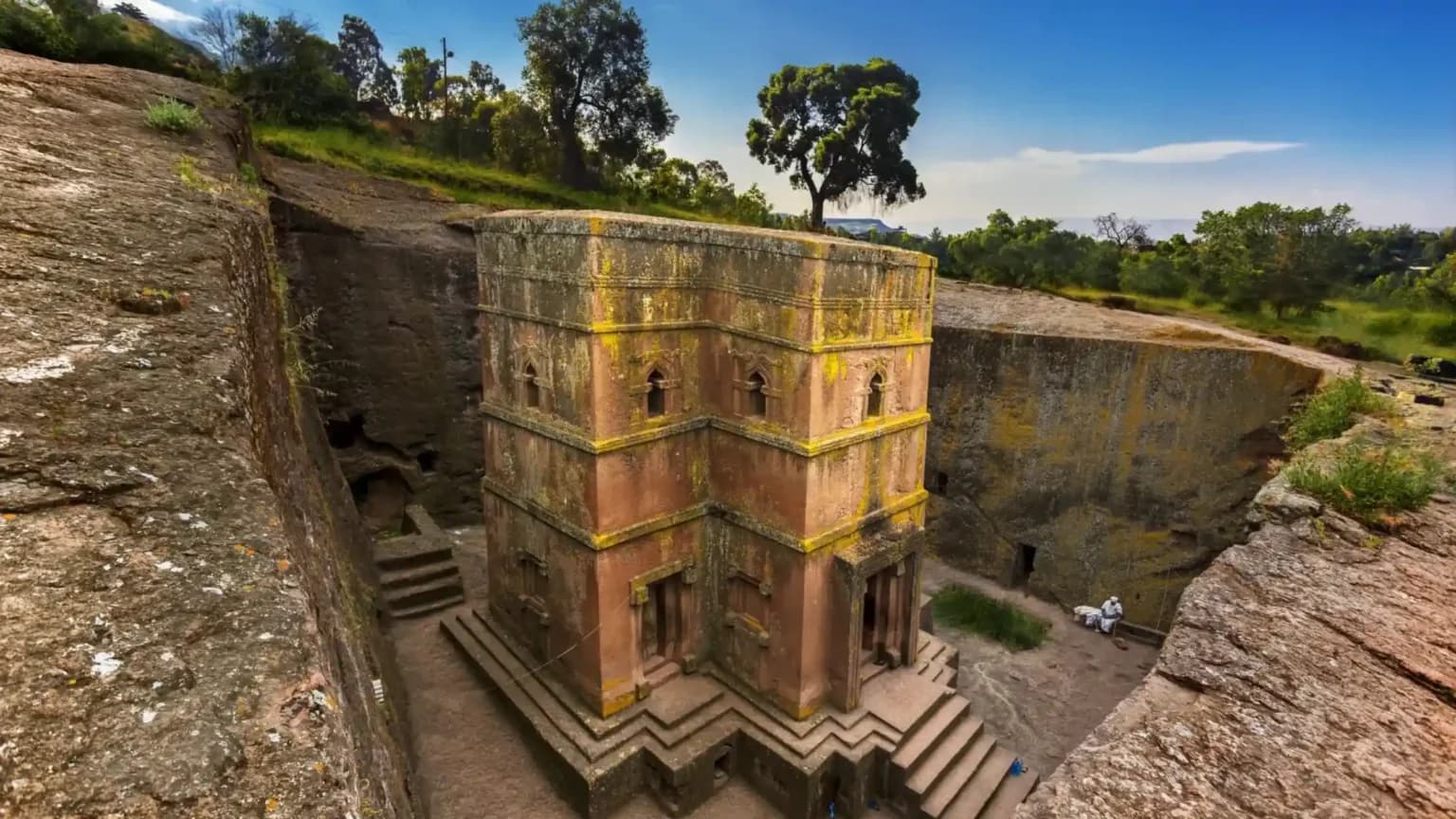
Bete Giyorgis rock-hewn church in Lalibela — Historical Attractions, Ethiopia

Northern Ethiopia · UNESCO

Historical Attractions

Lalibela, Bahir Dar, Gondar, Axum, Lake Tana monasteries, Tis Abay, and Tigray’s rock-hewn churches — Ethiopia’s Historical Attractions on one private circuit.

Historical Attractions

One northern journey

Northern Ethiopia’s historic cities and sacred landscapes form one of Africa’s great cultural journeys. Rock-hewn churches, island monasteries, Blue Nile drama, imperial castles, and ancient stelae sit within a few flights and highland roads of each other — best experienced as a private historical-route itinerary rather than isolated day visits.

Most travelers begin or end in Addis Ababa, then link Bahir Dar, Gondar, Axum, and Lalibela by flight and surface transfers. We pace church days, lake mornings, and castle afternoons so each stop feels complete — with guides, lodging, and logistics arranged end to end.

Whether you want a focused Lalibela pilgrimage, a Lake Tana and Tis Abay day, Tigray’s cliff churches, or the full northern circuit, this hub is where Ethiopia’s living Orthodox tradition and imperial past meet tailor-made travel.

Destinations

Cities, lakes & rock-hewn faith

Each stop is a chapter of Historical Attractions — paced for private travel.

UNESCO rock-hewn churches of Lalibela, Ethiopia
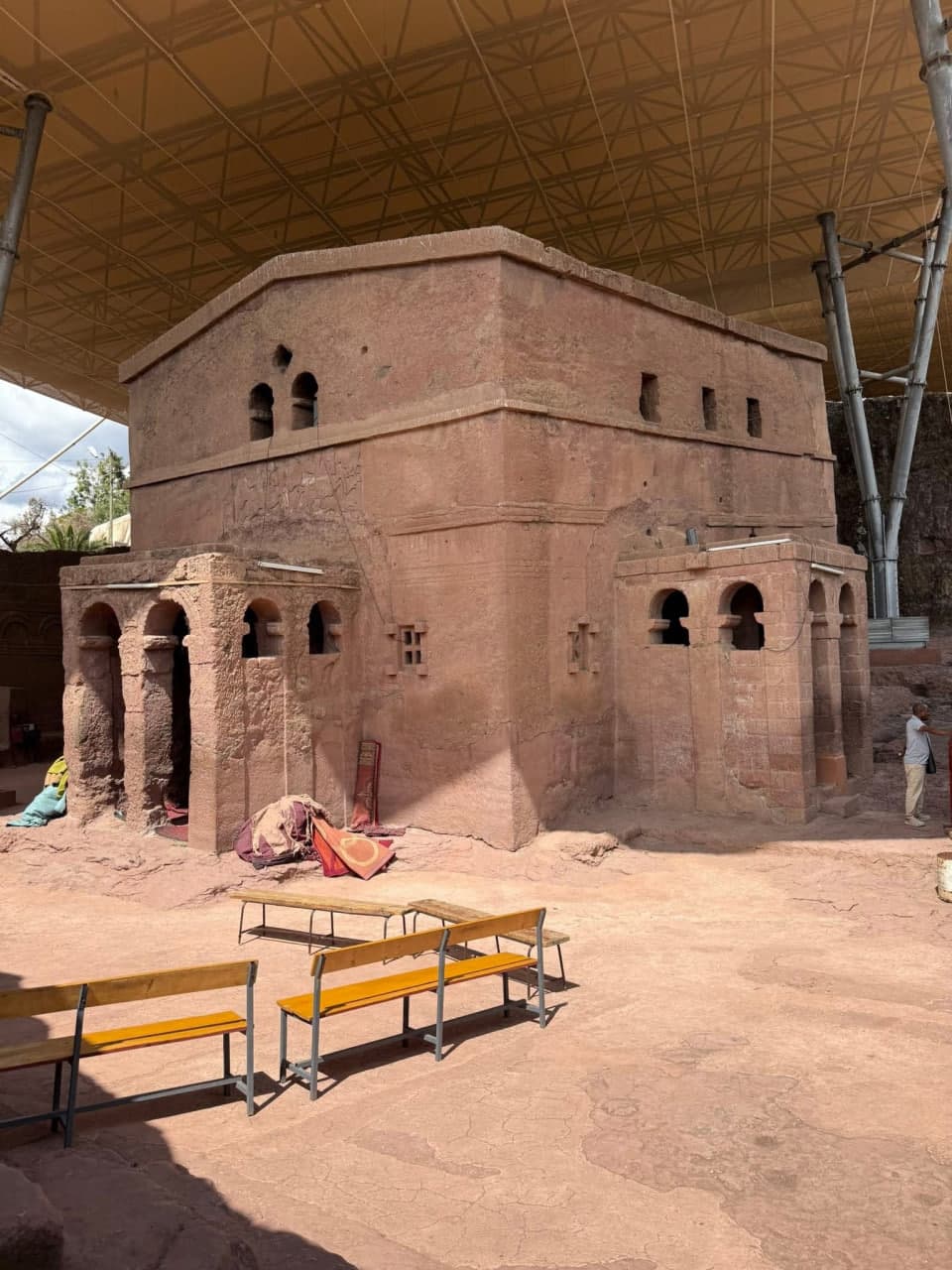
Biete Ghiorgis rock-hewn church in Lalibela, Ethiopia
Biete Maryam rock-hewn church courtyard in Lalibela, Ethiopia
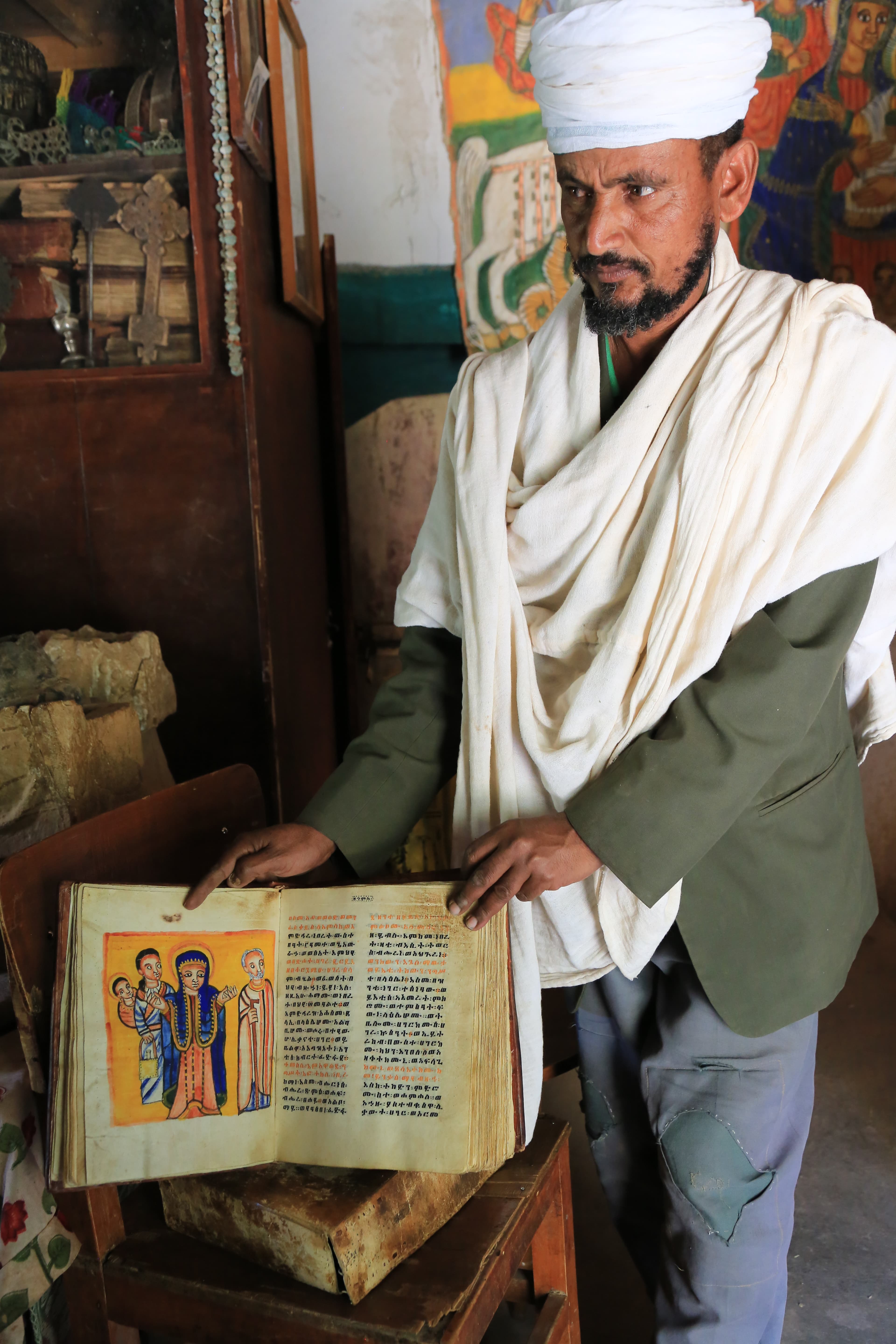
Priest with an illuminated manuscript in Lalibela, Ethiopia

01

Lalibela

Amhara

Oct–Mar (Timkat in Jan)

2–3 days

Lalibela, once a humble monastic settlement, underwent a remarkable transformation during the 12th century under the Zagwe dynasty, evolving into a vibrant center of governance and becoming Ethiopia’s permanent capital alongside Axum. Today, this UNESCO World Heritage Site is celebrated for its breathtaking rock-hewn churches, which stand as a testament to the region’s rich history and vibrant culture. Lalibela offers visitors a unique tapestry of spirituality, history, and tradition, making it an essential stop on any journey through Ethiopia.

Often referred to as the “New Jerusalem,” Lalibela is renowned for its remarkable churches, meticulously sculpted directly into the rock during the reign of King Lalibela. This sacred site attracts countless pilgrims from the Ethiopian Orthodox Christian community, showcasing an extraordinary feat of engineering and artistry that continues to inspire awe. The churches of Lalibela possess unique features that set them apart from any other monuments in the world; they remain active centers of worship, 800 years after their excavation, forming a living link with the past.

  • UNESCO rock-hewn churches
  • New Jerusalem
  • King Lalibela & Zagwe dynasty
  • Living Orthodox pilgrimage
  • Active churches for 800 years
3 Days Lalibela tour
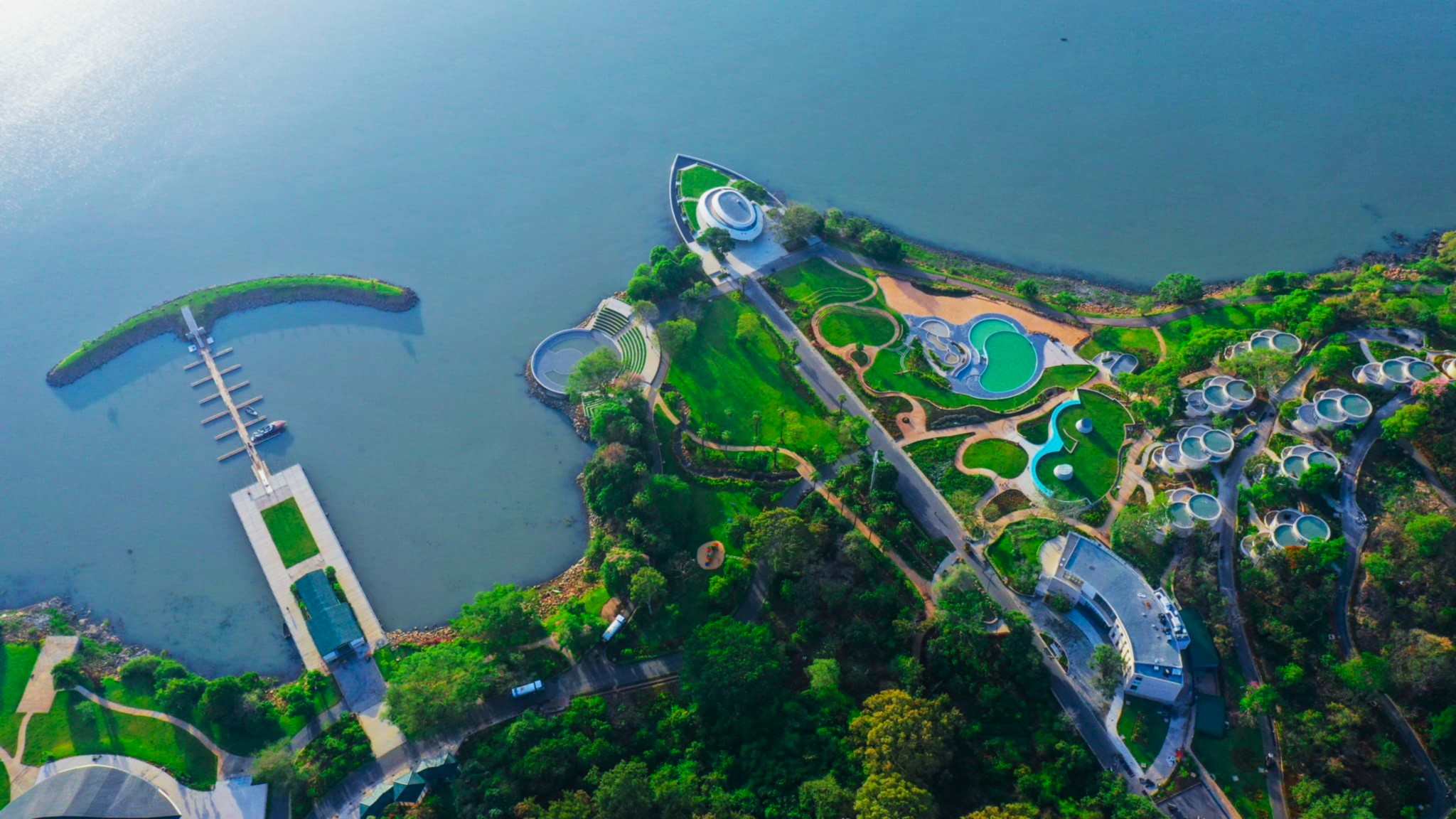
Gorgora eco resort on Lake Tana near Bahir Dar, Ethiopia
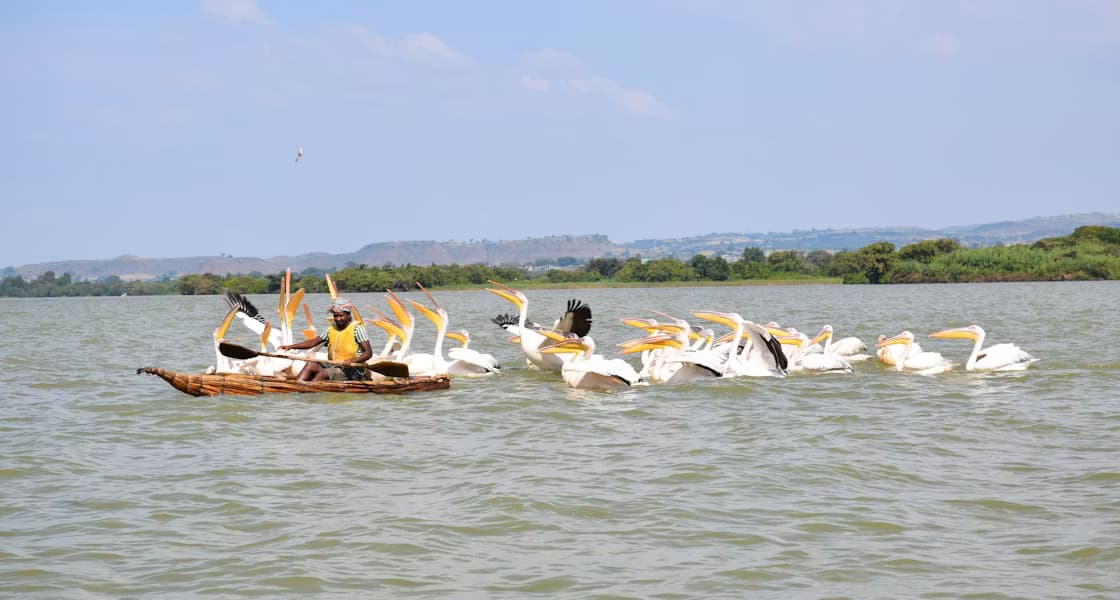
Pelicans on Lake Tana near Bahir Dar, Ethiopia
Boat trip on Lake Tana near Bahir Dar, Ethiopia
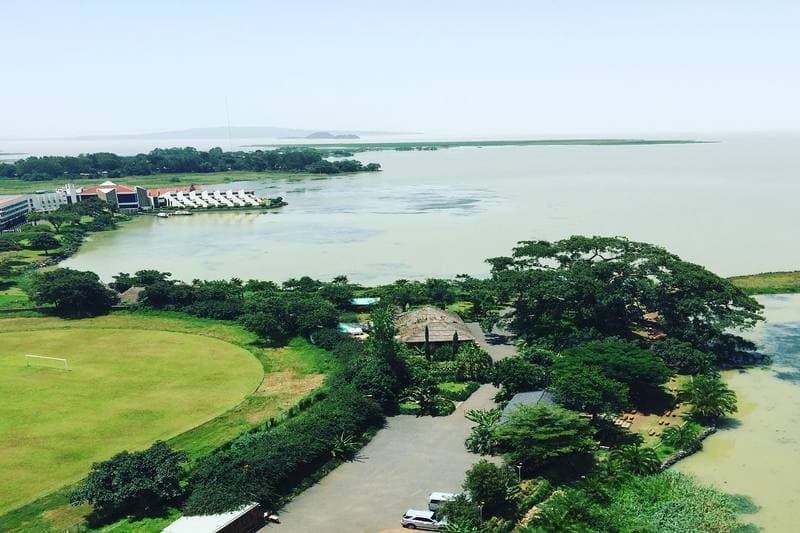
Lake Tana shoreline at Bahir Dar, Ethiopia

02

Bahir Dar

Amhara

Oct–May

1–2 days

Bahir Dar, located on the shores of Lake Tana in northern Ethiopia, is a vibrant city known for its stunning landscapes, rich history, and cultural heritage. As the capital of the Amhara region, it serves as a perfect base for exploring the natural beauty and historical sites of the area.

Bahir Dar has a rich history that dates back centuries. It is closely linked to the ancient kingdom of Axum and has played a significant role in Ethiopia’s cultural and political development. The city is also known for its connection to the Ethiopian Orthodox Church, with numerous monasteries located on the islands of Lake Tana.

  • Shores of Lake Tana
  • Capital of Amhara
  • Island monasteries
  • Ethiopian Orthodox heritage
  • Links to ancient Axum
Tis Abay Blue Nile Falls near Bahir Dar, Ethiopia
Island monastery landscape on Lake Tana, Ethiopia
Blue Nile Falls (Tis Abay) near Bahir Dar, Ethiopia
Mist and falls at Tis Abay, Ethiopia

03

Tis Abay & Lake Tana Monasteries

Amhara

Oct–May

Half day to 1 full day from Bahir Dar

Lake Tana, the largest lake in Ethiopia and the source of the Blue Nile, is renowned for its peaceful waters, ancient island monasteries, and rich cultural heritage. A boat trip across the lake reveals centuries-old monastic treasures, with beautifully painted church interiors, ancient manuscripts, and sacred relics preserved on islands like Ura Kidane Mihret, Kibran Gebriel, and Narga Selassie.

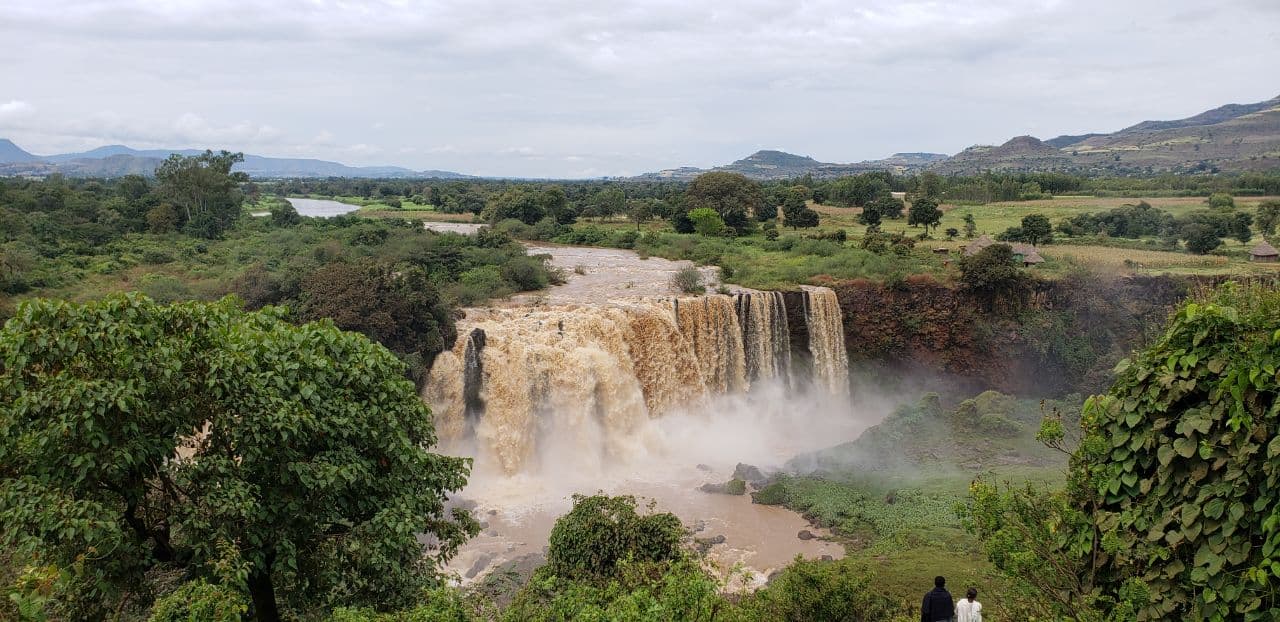
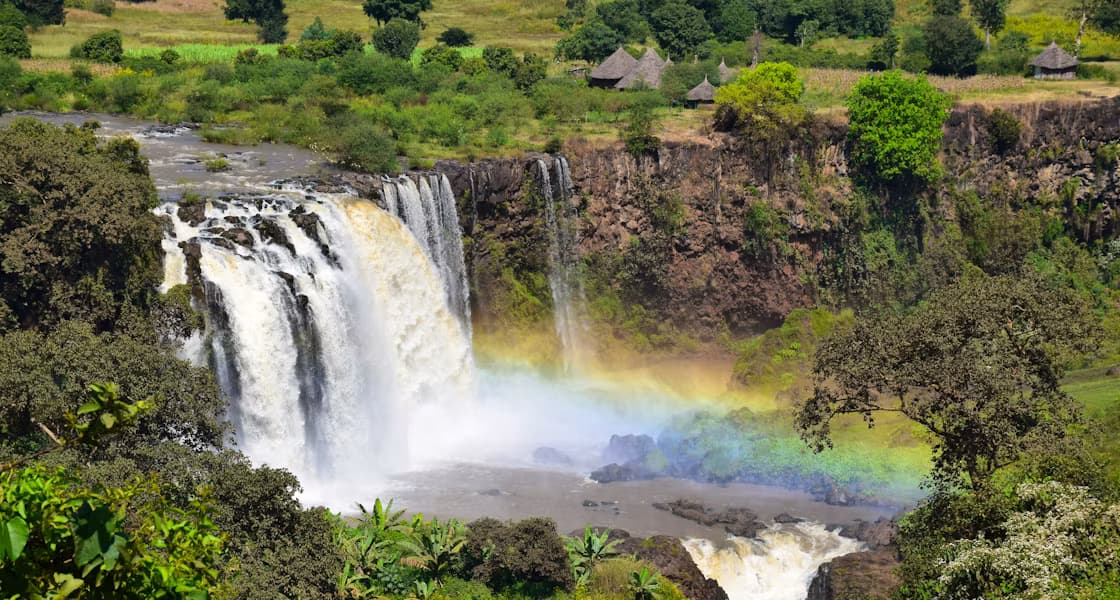
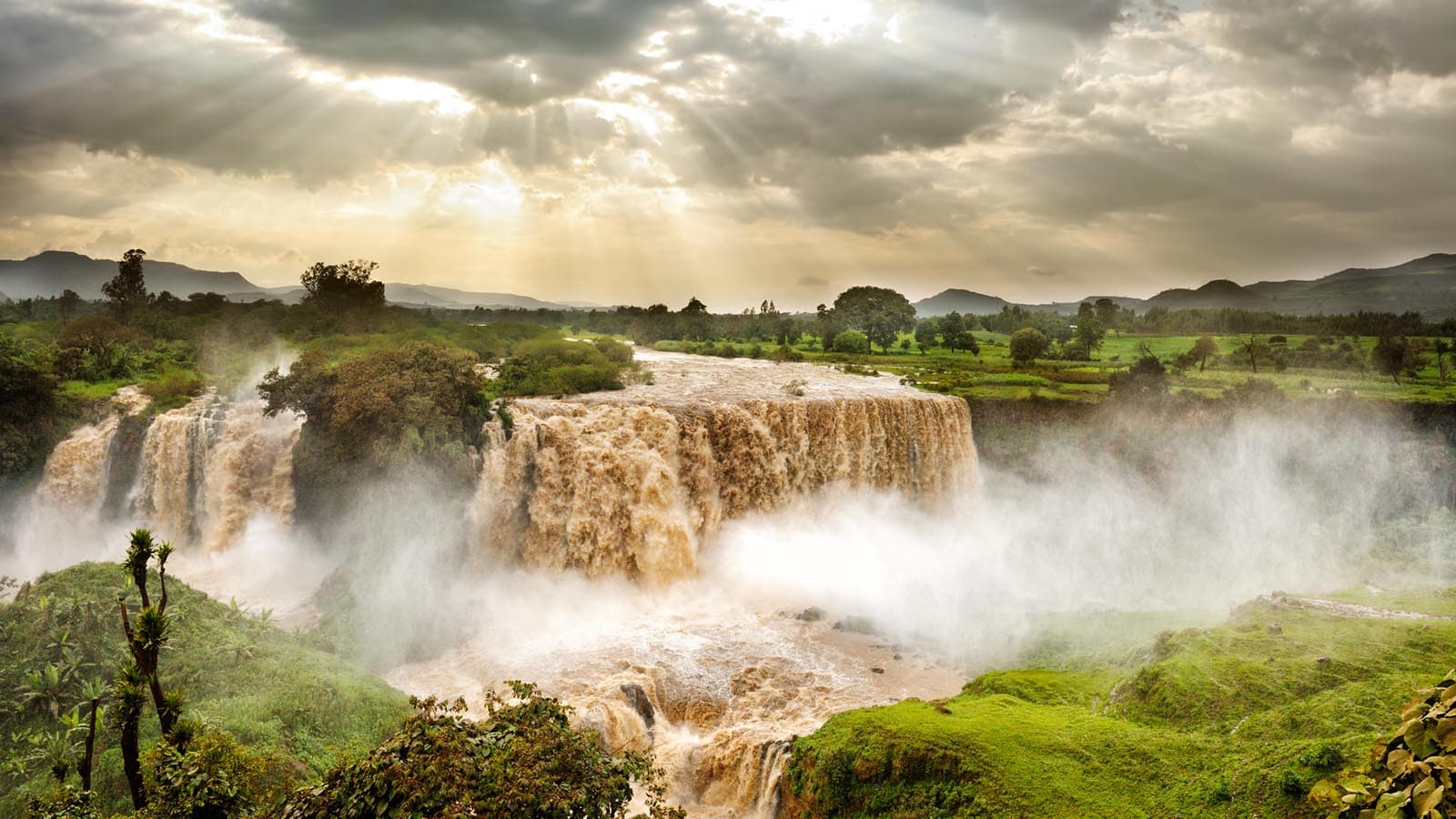
Just a short journey away lies Tis Abay, the majestic Blue Nile Falls, where the river plunges over a towering basalt cliff, creating a thunderous curtain of mist and rainbows. Together, Lake Tana’s serene spiritual sites and the dramatic power of Tis Abay offer a perfect blend of history, nature, and breathtaking scenery — one of northern Ethiopia’s most unforgettable experiences.

  • Source of the Blue Nile
  • Ura Kidane Mihret
  • Kibran Gebriel
  • Narga Selassie
  • Tis Abay (Blue Nile Falls)
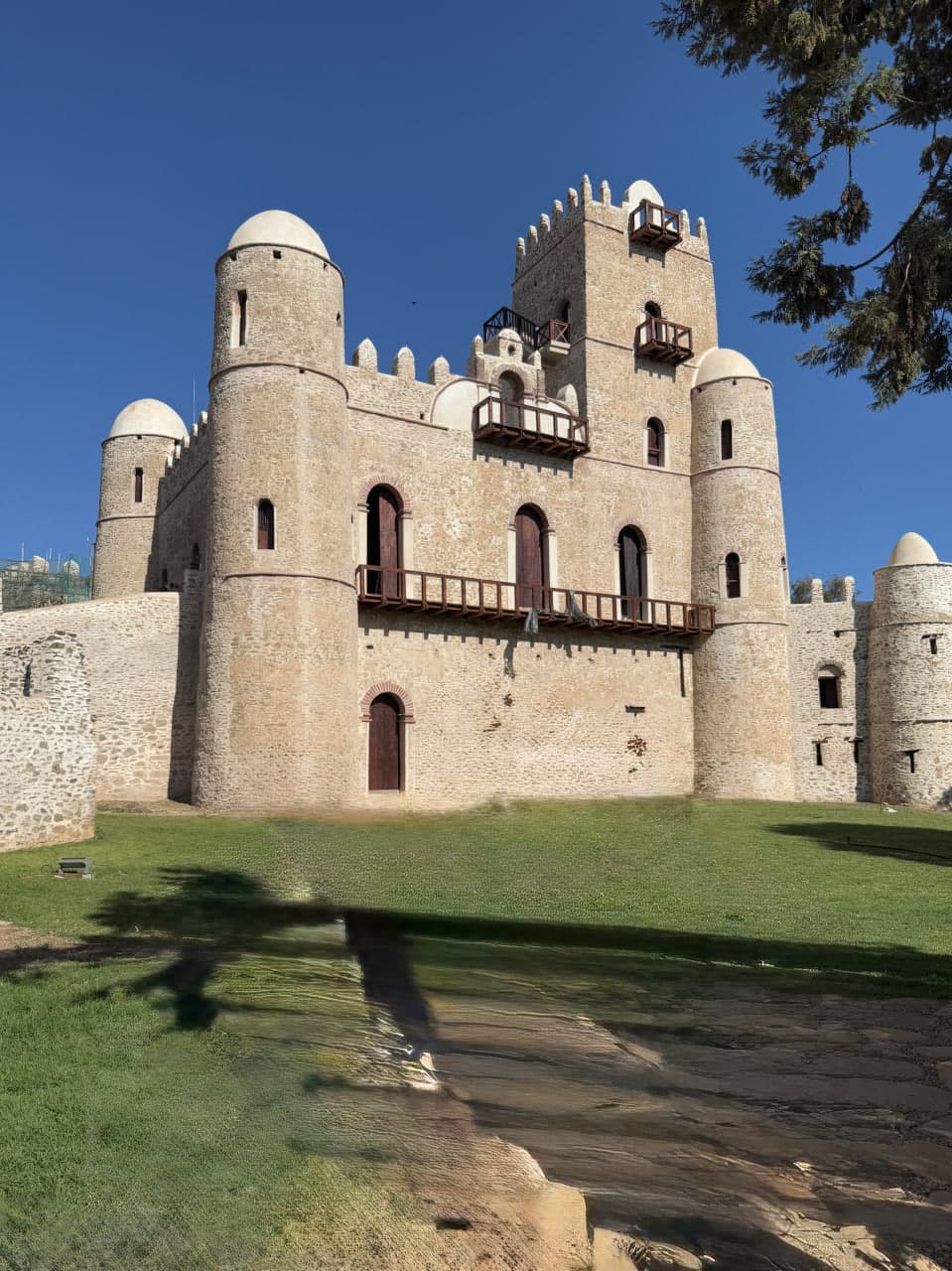
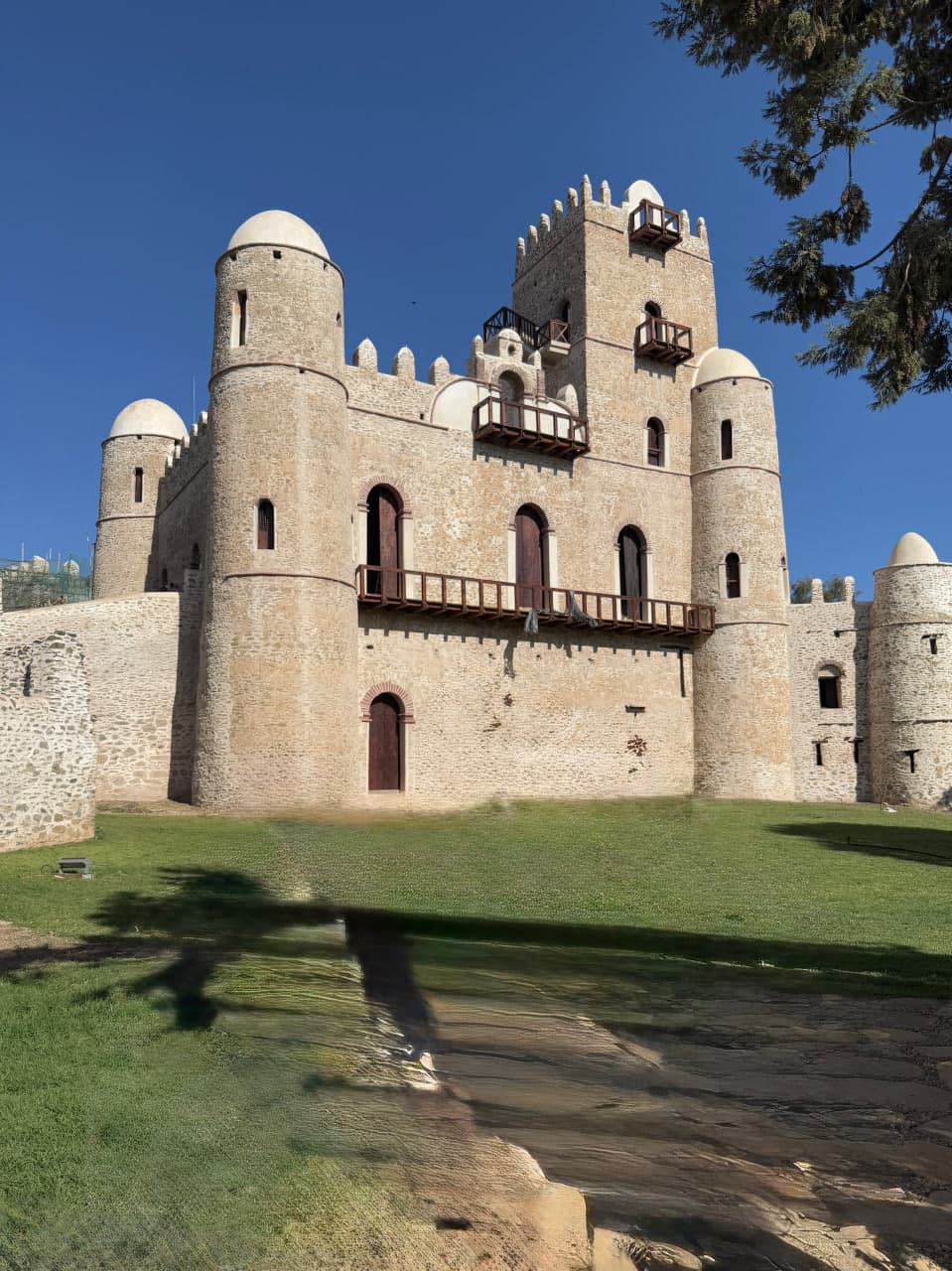
Fasilides castle in Gondar, Ethiopia
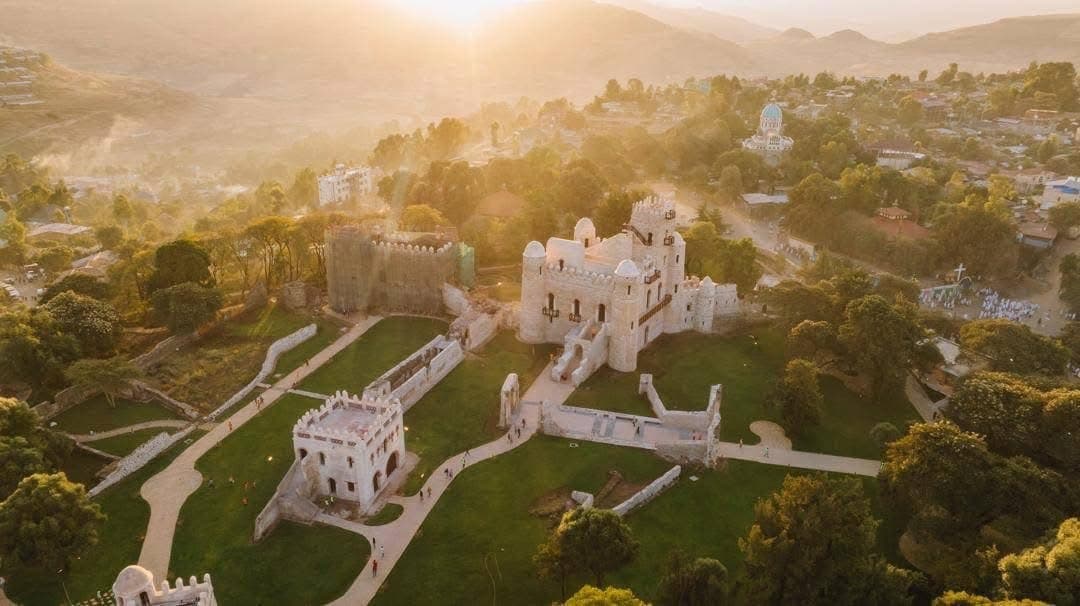
Aerial view of Fasilides palace in Gondar, Ethiopia
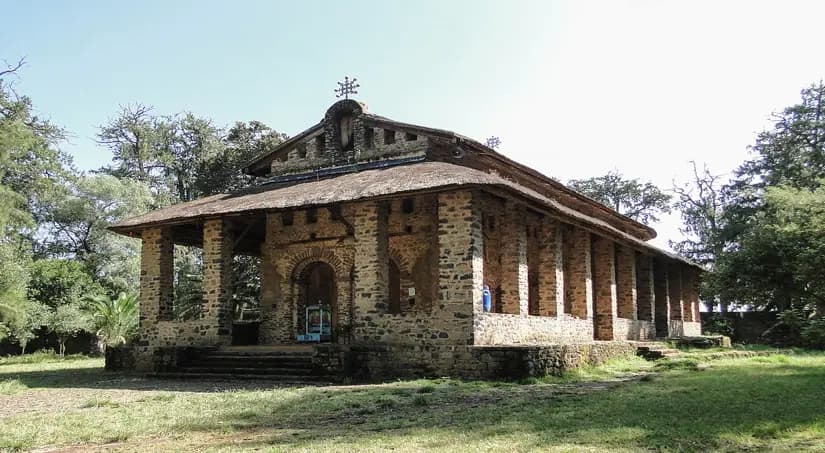
Debre Birhan Selassie church in Gondar, Ethiopia
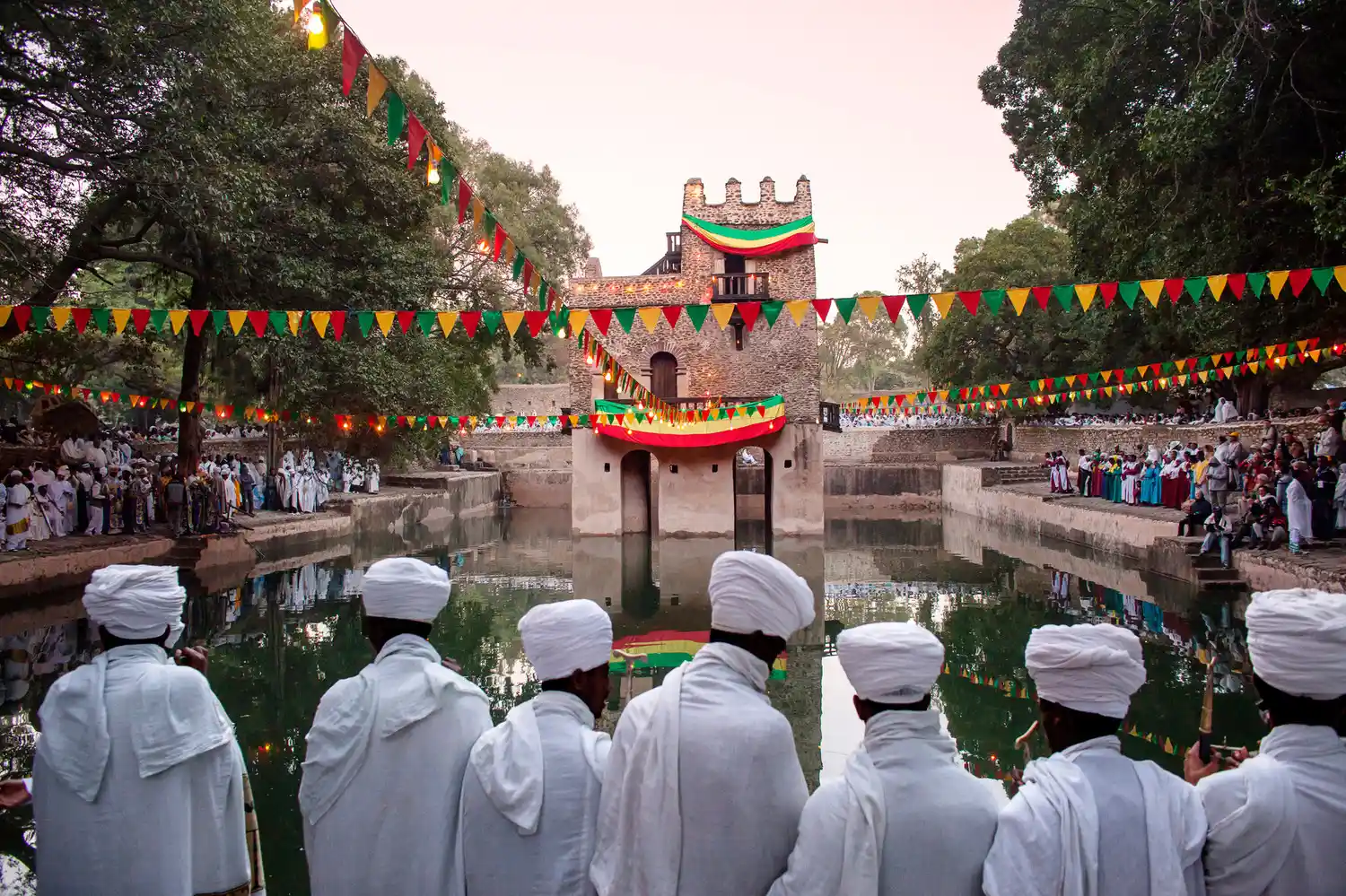
Timkat celebration at Fasilidas Bath in Gondar, Ethiopia

04

Gondar

Amhara

Oct–Mar

1–2 days

Gondar, often referred to as the “Camelot of Africa,” is a city steeped in rich history and culture, nestled in the northern highlands of Ethiopia. As the third permanent capital city of Ethiopia, following Axum and Lalibela, Gondar was founded by Emperor Fasilides in 1636. It served as a political center for over 200 years, marking a significant shift from the long-standing tradition of a mobile court to a more stable and established governance.

The city’s historical significance is highlighted by its stunning architecture and vibrant landscapes. Gondar is renowned for its well-preserved medieval castles, which are part of the UNESCO World Heritage Site known as the Fasil Ghebbi. These magnificent structures showcase a unique blend of Ethiopian and European architectural styles, reflecting the city’s diverse cultural influences.

Visitors to Gondar can explore its rich heritage through its impressive castles and royal palaces, each telling a story of the city’s illustrious past. With its captivating history and stunning scenery, Gondar truly embodies the spirit of a bygone era, making it a must-visit destination for travelers seeking to immerse themselves in Ethiopia’s cultural legacy.

  • Camelot of Africa
  • Founded by Emperor Fasilides
  • Fasil Ghebbi UNESCO site
  • Medieval castles & palaces
  • Ethiopian–European architecture
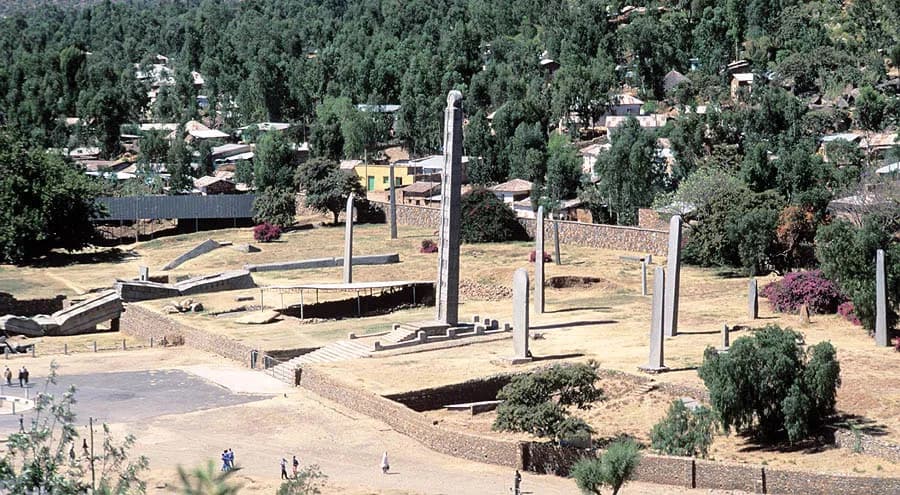
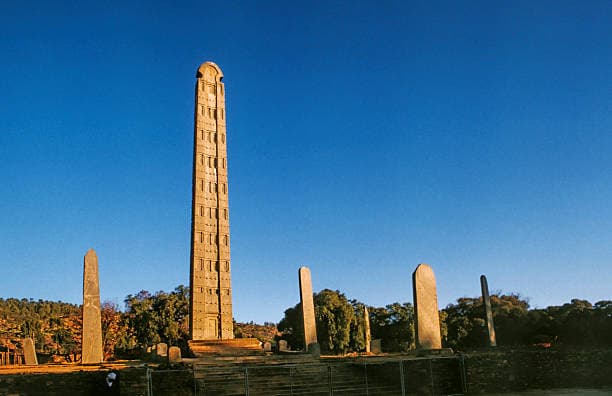
Axum stelae field, UNESCO World Heritage Site, Ethiopia
Ancient Axum UNESCO heritage landscape, Ethiopia
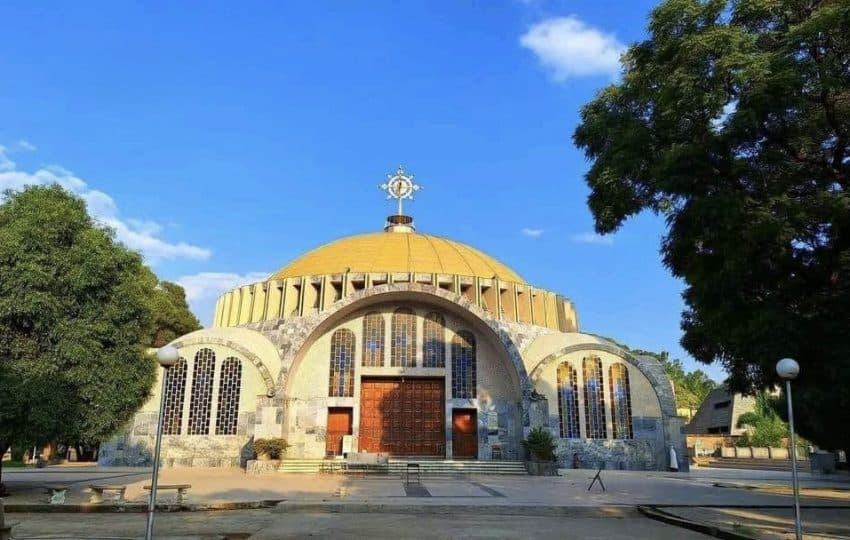
St Mary of Zion church compound in Axum, Ethiopia
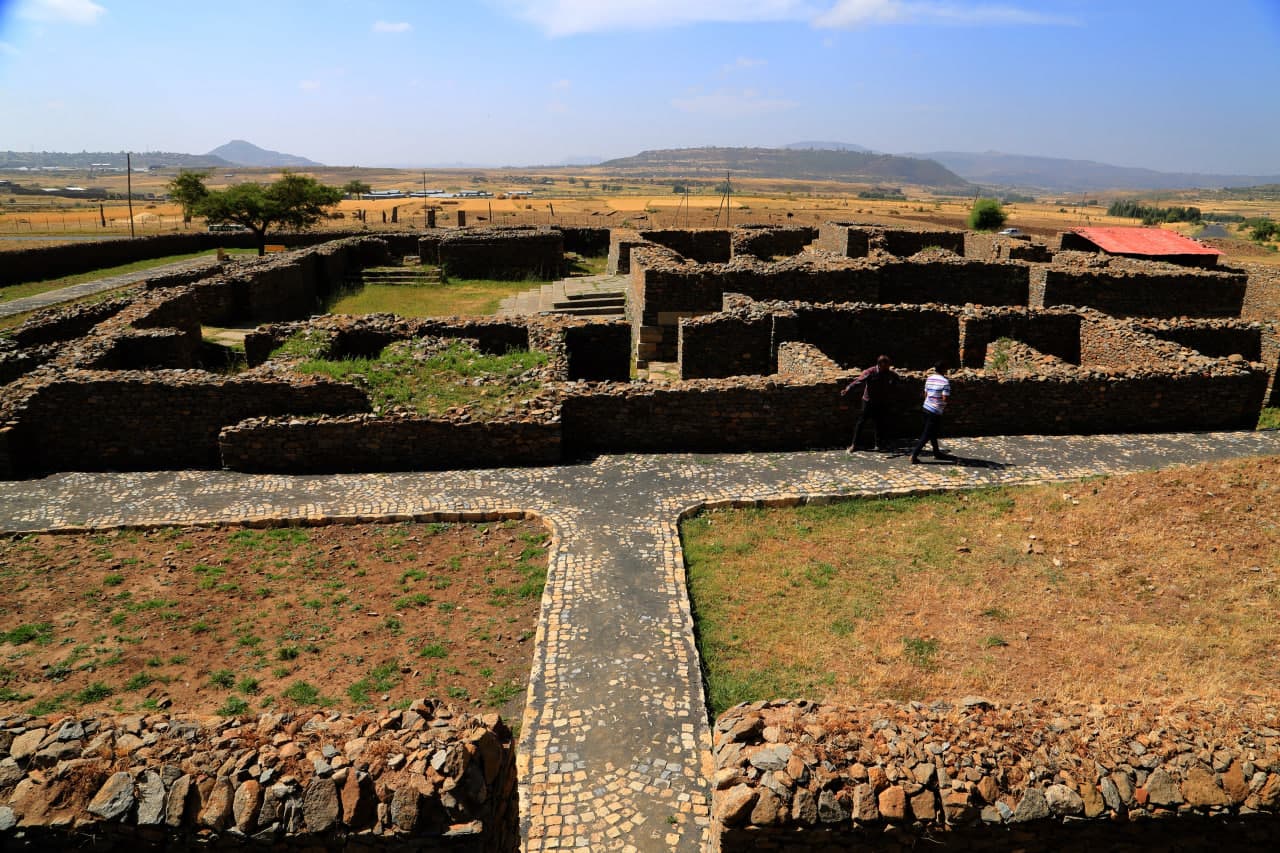
Queen of Sheba palace ruins near Axum, Ethiopia

05

Axum

Tigray

Oct–Mar

1–2 days

Axum is the first major capital of Ethiopia, steeped in rich history and legend. Established as the capital of the Axumite kingdom from the 2nd century B.C. to the 7th century A.D., Axum is a city where the echoes of ancient civilization still resonate.

According to traditional accounts, Axum’s story intertwines with that of King Solomon of Israel. The 14th-century document, Kibre Negest (The Glory of Kings), recounts the legendary journey of the Queen of Sheba to Jerusalem, where she sought the Wisdom of Solomon. This sacred text also narrates the arrival of the Ark of the Covenant in Axum, brought by Menelik I, the son of Solomon and the Queen of Sheba (Makda). This profound connection is echoed in the Holy Bible, making Axum a pivotal site for Ethiopian Orthodox Christianity.

  • First major capital of Ethiopia
  • Axumite kingdom
  • Queen of Sheba & Solomon
  • Kibre Negest
  • Ark of the Covenant tradition
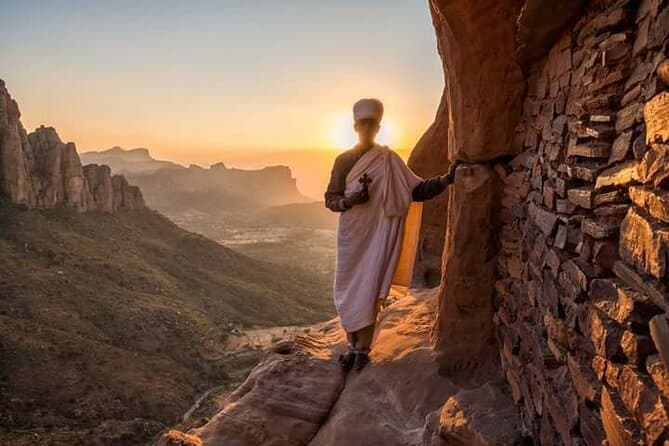
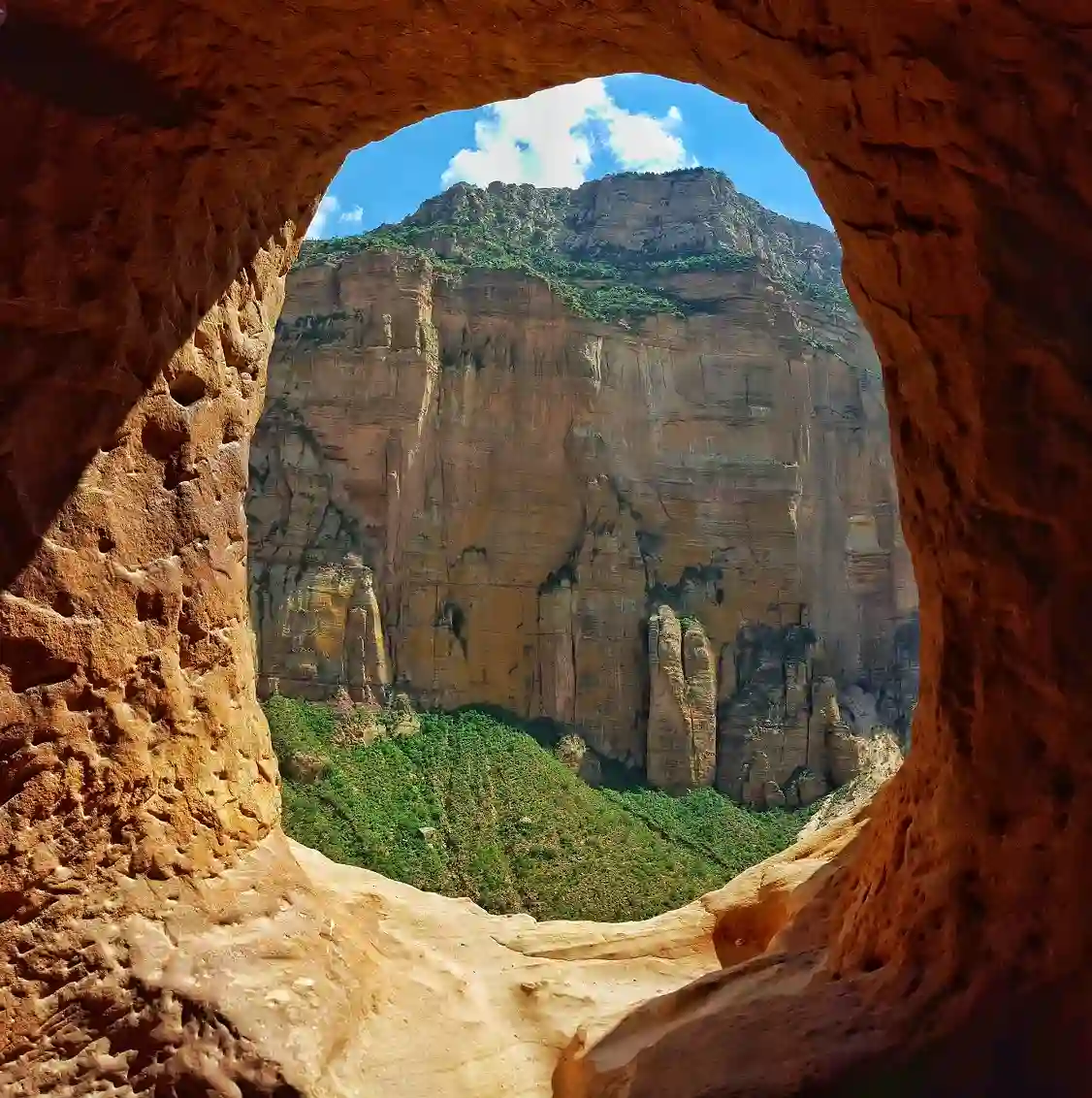
Mountain rock-hewn church in Tigray, Ethiopia
Rock-hewn church carved into a Tigray cliff, Ethiopia
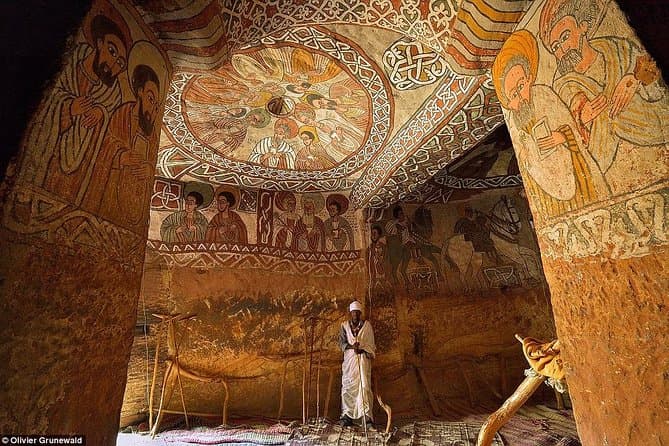
Painted interior of a Tigray rock-hewn church, Ethiopia

06

Rock-Hewn Churches

Tigray

Oct–Mar

1–2 days (often from Axum or Mekele)

The rock-hewn churches of Tigray, located in northern Ethiopia, are a remarkable testament to the country’s rich religious and architectural heritage. Carved directly into the mountains and cliffs, these churches date back to the 4th century and offer a unique glimpse into Ethiopia’s ancient Christian traditions.

Ethiopia is one of the oldest Christian nations in the world, and the rock-hewn churches of Tigray are among its most significant religious sites. They were built during the Aksumite Empire as a means to promote Christianity and serve as places of worship. The churches are not only places of prayer but also symbols of resilience and faith.

  • Tigray cliff churches
  • Carved into mountains
  • Dating from the 4th century
  • Aksumite Christian heritage
  • Living places of worship

Travel notes

Practical planning

  • Flights between Addis, Bahir Dar, Gondar, Axum, and Lalibela keep road days short on private packages.
  • Dress modestly for churches and monasteries; some island churches have gender-based access rules — your guide plans the route.
  • Allow at least two full days in Lalibela if you want surrounding highland churches; one night each in Bahir Dar, Gondar, and Axum is a common pace on the classic circuit.
  • Lake Tana monasteries and Tis Abay combine easily as a Bahir Dar day; Tigray rock-hewn churches often need an extra day or two beyond Axum — tell us if cliff churches are a priority.
  • Timkat in Gondar or Lalibela and Holy Week in Lalibela are unforgettable when dates align — book lodging early.

Featured circuit

8 Days Historical Route

The classic northern circuit by flight — Bahir Dar and Lake Tana, Gondar, a Simien outlook, Axum, and two days in Lalibela — with private guides and lodging arranged.

View historical route

Plan Historical Attractions

Tell us your dates and which cities matter most — we shape a private Lalibela-focused trip or the full Bahir Dar–Gondar–Axum–Lalibela circuit.

Contact us

Planning

Historical Attractions FAQs

The hub covers Lalibela, Bahir Dar, Gondar, and Axum, plus Tis Abay & Lake Tana monasteries and the rock-hewn churches of Tigray. We can focus on Lalibela alone or shape a fuller northern circuit with flights and private guides.