01
Lalibela
Amhara
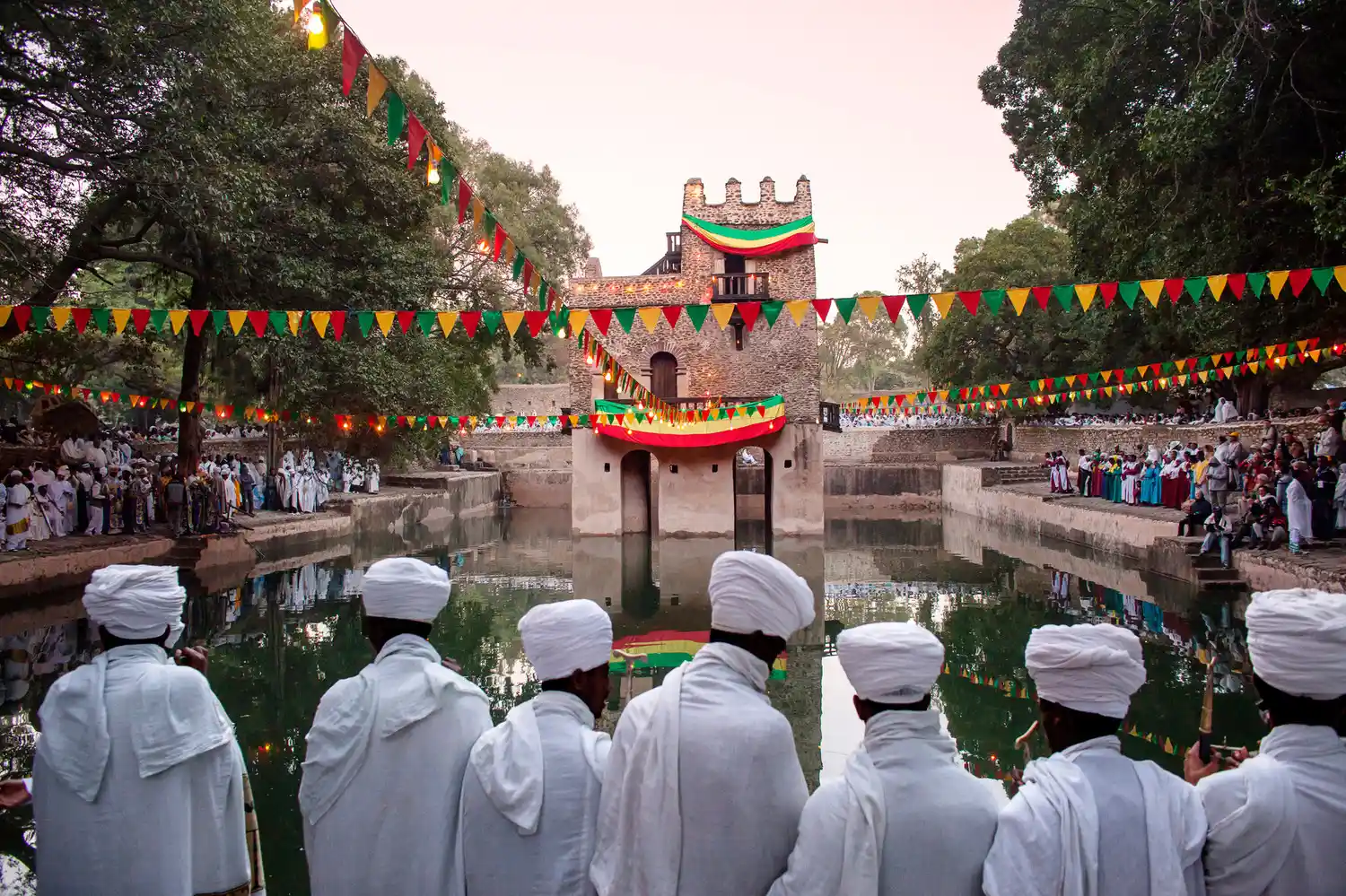
Oct–Mar (Timkat in Jan)
2–3 days
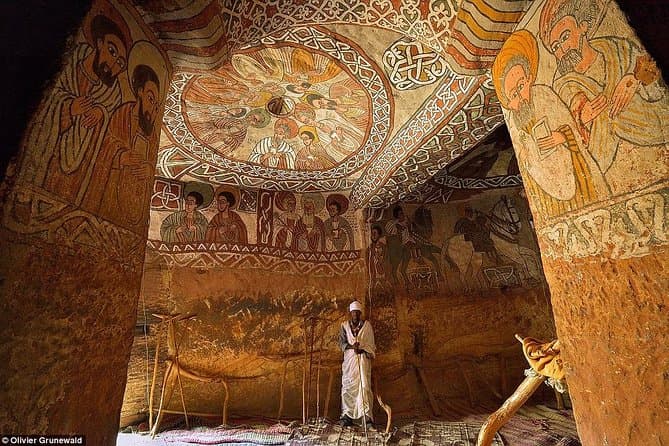
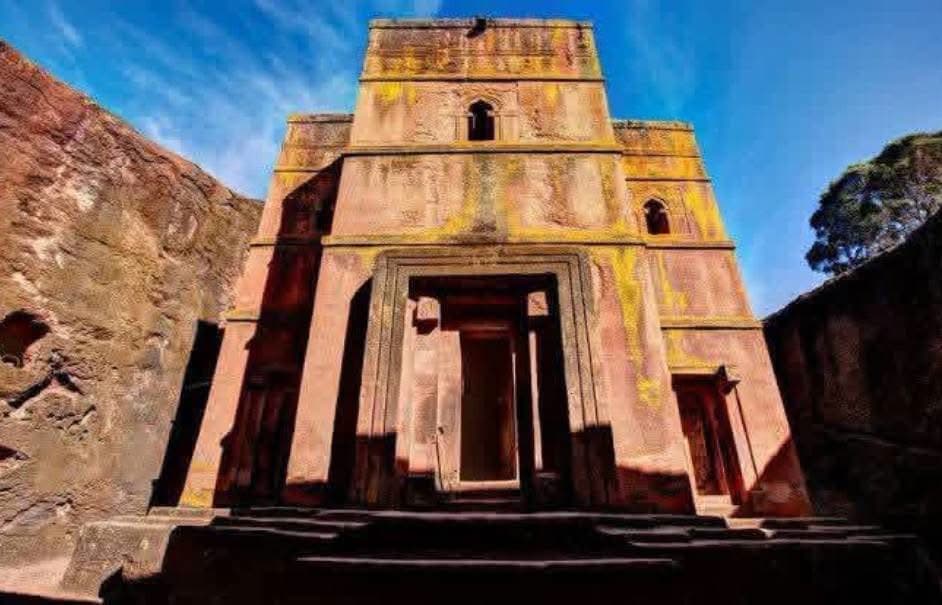
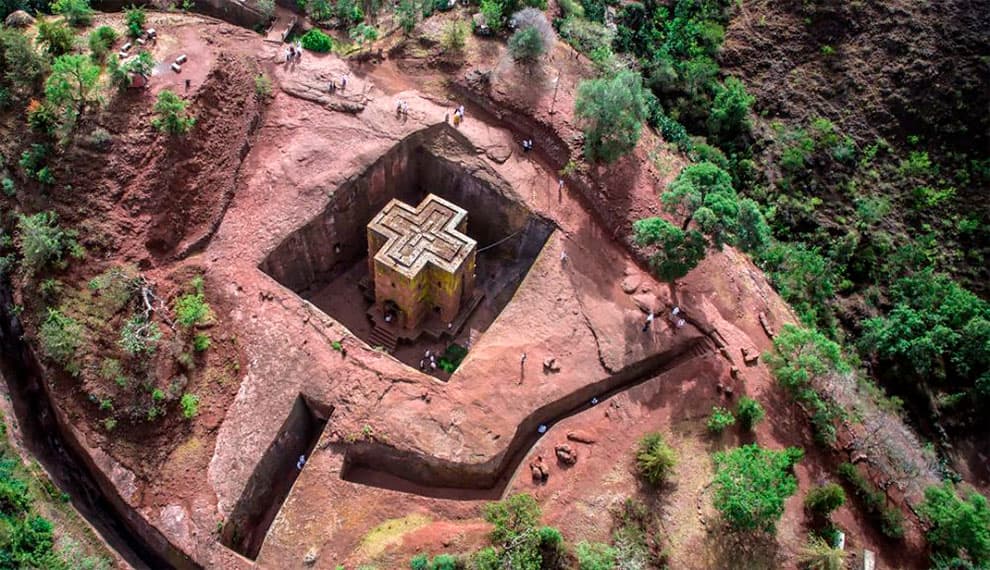
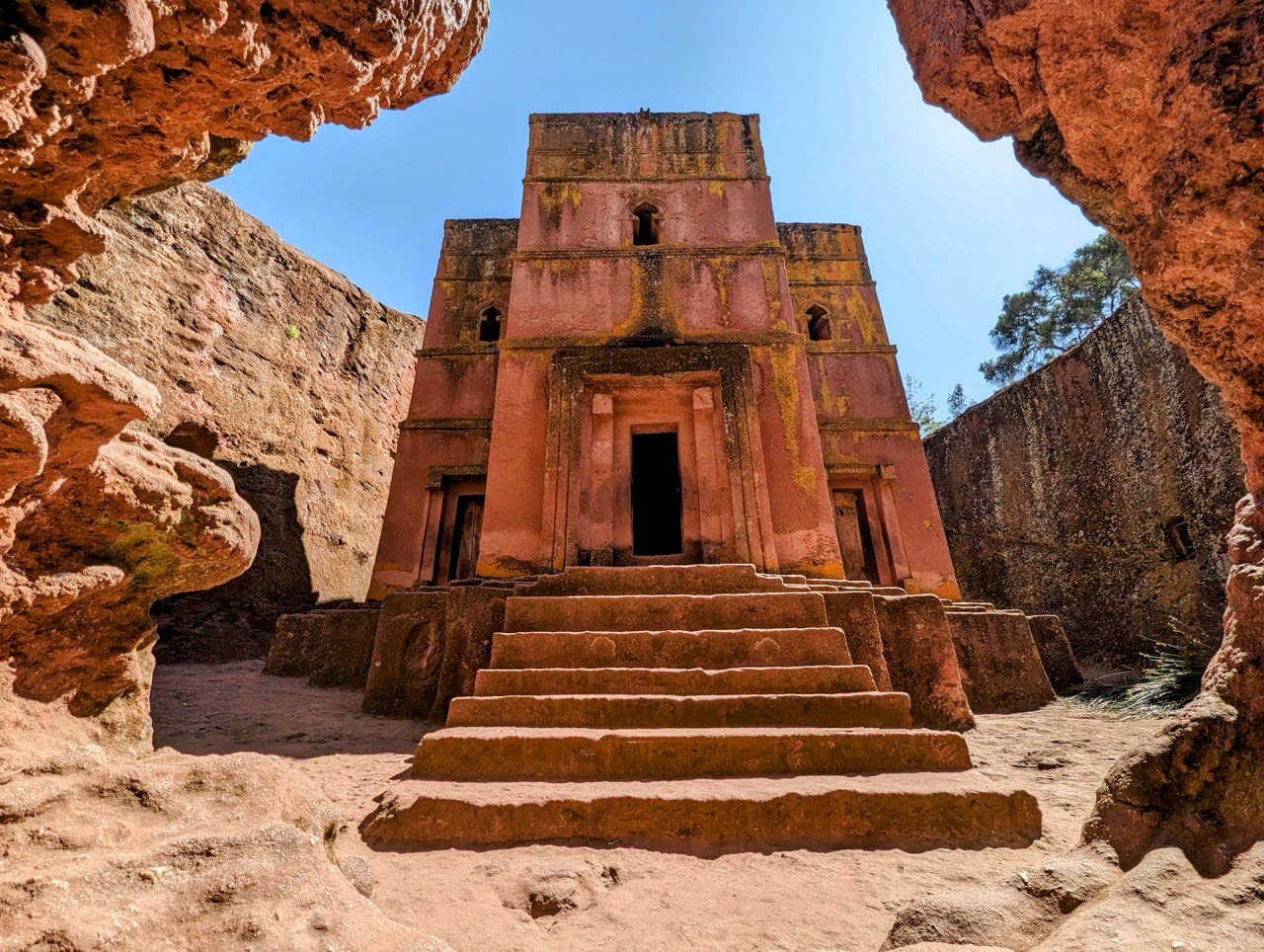
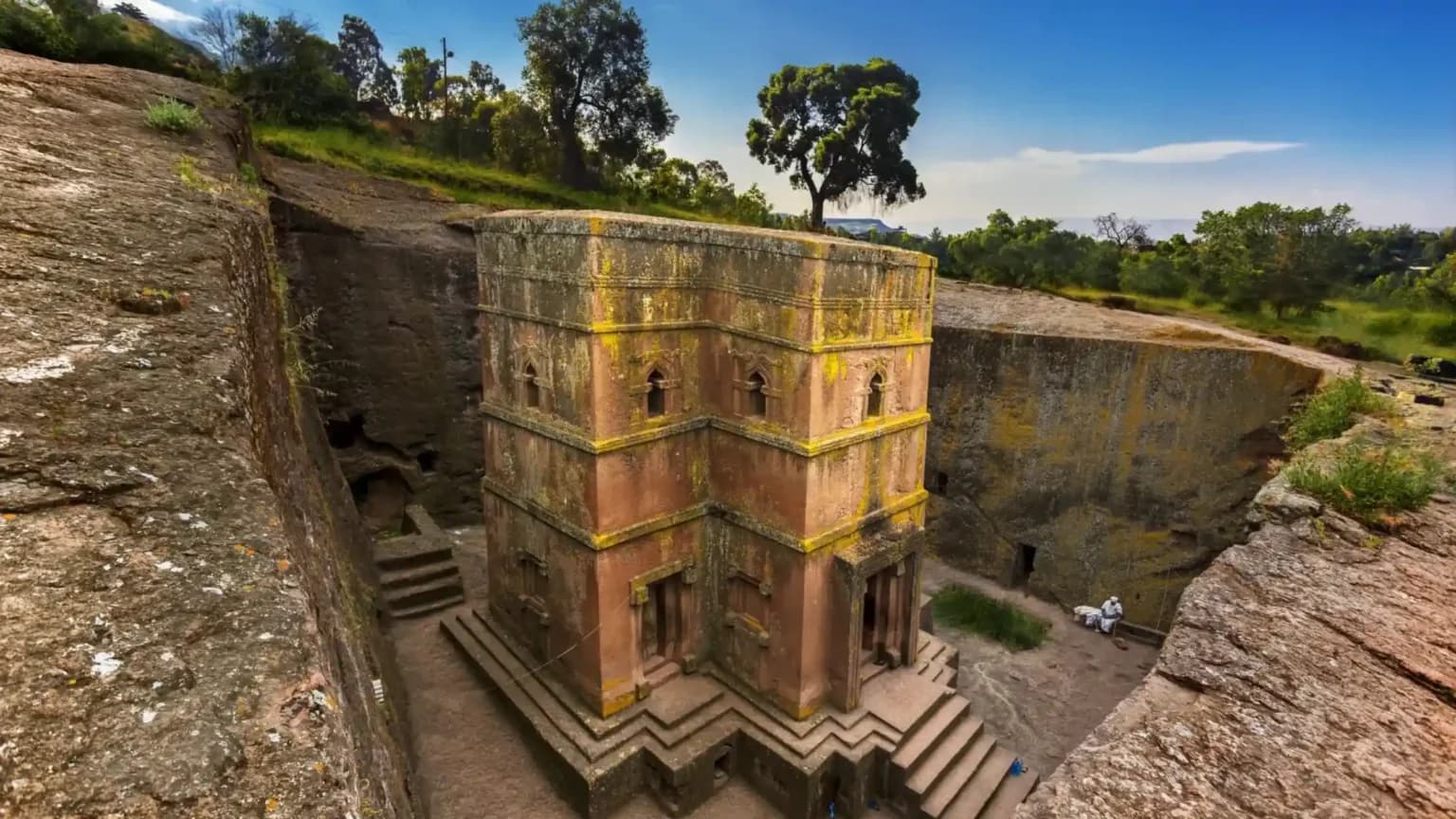
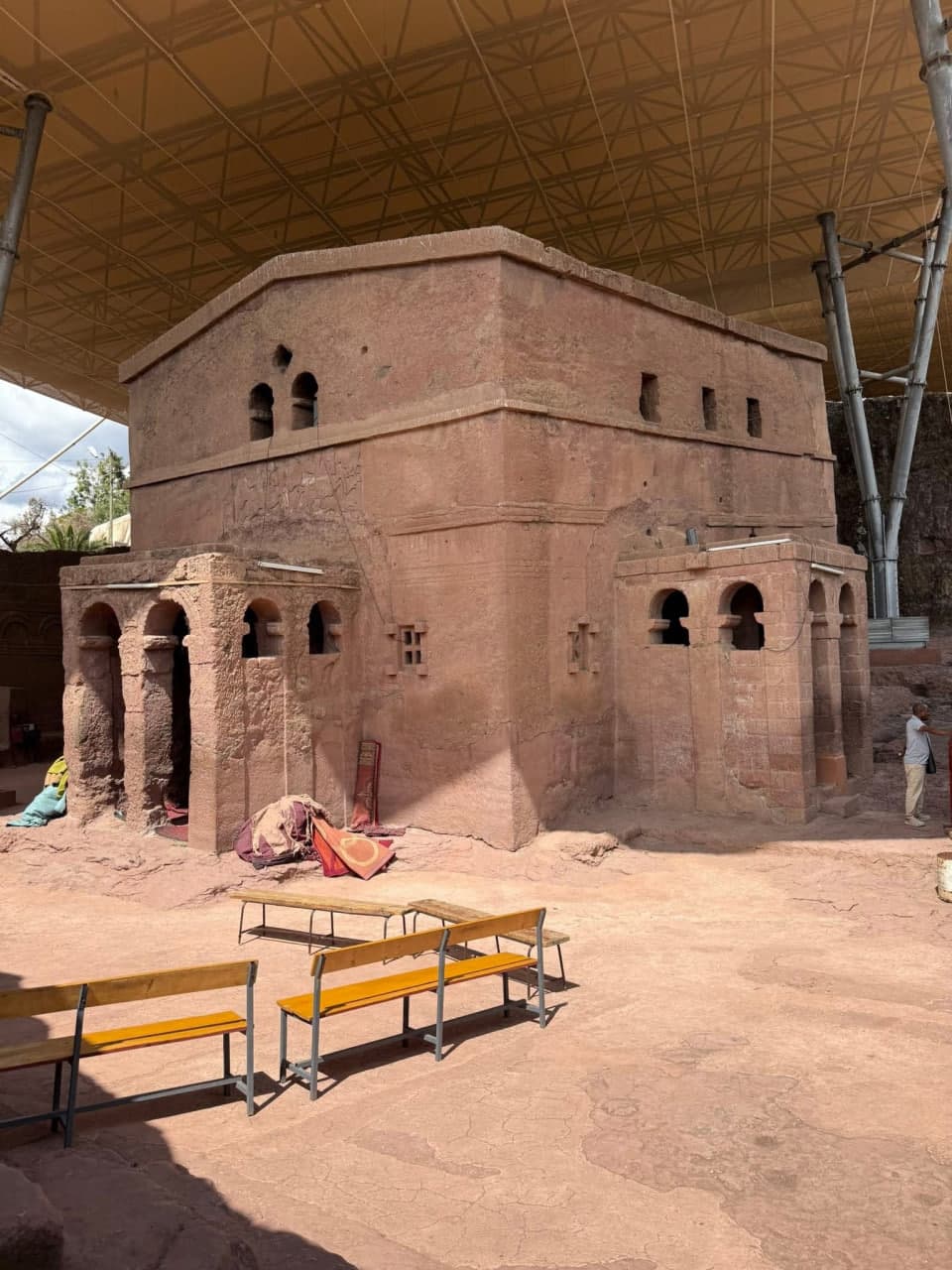
Lalibela, once a humble monastic settlement, underwent a remarkable transformation during the 12th century under the Zagwe dynasty, evolving into a vibrant center of governance and becoming Ethiopia’s permanent capital alongside Axum. Today, this UNESCO World Heritage Site is celebrated for its breathtaking rock-hewn churches, which stand as a testament to the region’s rich history and vibrant culture. Lalibela offers visitors a unique tapestry of spirituality, history, and tradition, making it an essential stop on any journey through Ethiopia.
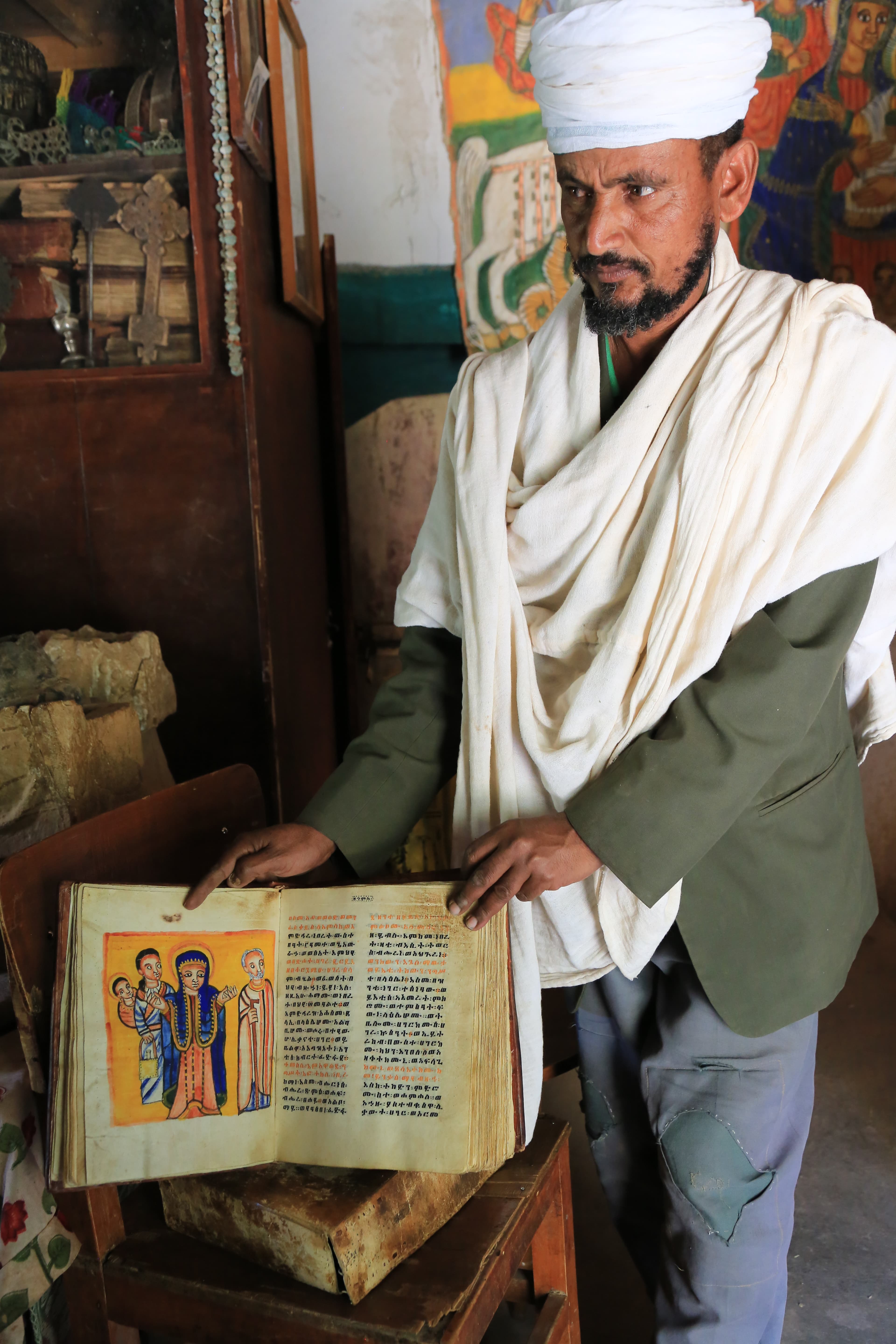
Often referred to as the “New Jerusalem,” Lalibela is renowned for its remarkable churches, meticulously sculpted directly into the rock during the reign of King Lalibela. This sacred site attracts countless pilgrims from the Ethiopian Orthodox Christian community, showcasing an extraordinary feat of engineering and artistry that continues to inspire awe. The churches of Lalibela possess unique features that set them apart from any other monuments in the world; they remain active centers of worship, 800 years after their excavation, forming a living link with the past.
- UNESCO rock-hewn churches
- New Jerusalem
- King Lalibela & Zagwe dynasty
- Living Orthodox pilgrimage
- Active churches for 800 years